





What's Happening?
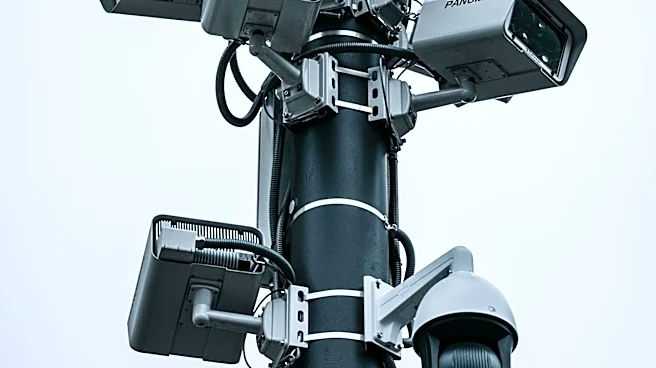
U.S. Representative Celeste Maloy of Utah has voiced concerns regarding a federal mandate enacted in 2021 that requires surveillance technology in new vehicles. This mandate aims to combat drunk driving, which the National Highway Traffic Safety Administration
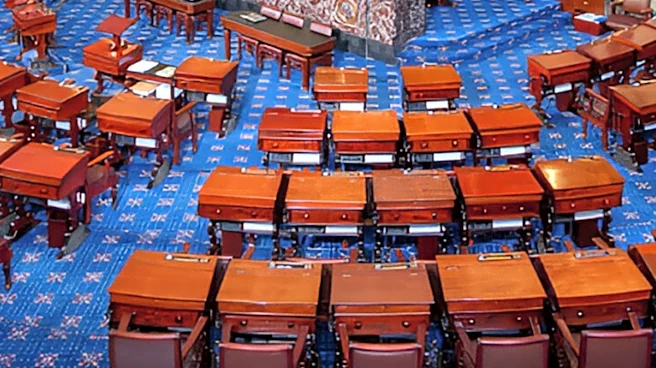
reports causes 32 deaths daily. However, Maloy, along with other lawmakers and consumer privacy experts, believes these technologies present opportunities for abuse. U.S. Representative Michael Cloud of Texas echoed these sentiments during a June 3rd House appropriations committee hearing, questioning the usage, ownership, and potential sale of the collected data. Companies like Smart Eye are developing this automotive surveillance tech, which includes features such as driver detection, distractiveness, dizziness, attention, dangerous behavior, object detection, activity detection, body posture, and facial expression analysis. Despite the pushback, Sheila Lockwood, who lost a family member to drunk driving, advocates for the technology, claiming it could save up to 10,000 lives annually. In June, a House committee approved an amendment to delay the 2021 federal mandate, citing the need for further study and stronger privacy protections.
Why It's Important?
The debate surrounding mandatory surveillance technology in new cars highlights a significant tension between public safety and individual privacy rights in the U.S. While proponents argue the technology could drastically reduce drunk driving fatalities, potentially saving thousands of lives, opponents raise critical questions about data security, ownership, and the potential for misuse. This issue has broad implications for the automotive industry, which faces the challenge of integrating advanced safety features while navigating complex regulatory and ethical landscapes. For consumers, it introduces concerns about their personal data being collected, analyzed, and potentially monetized without their explicit consent or clear understanding of its usage. The legislative efforts to delay the mandate underscore the need for a comprehensive framework that balances the benefits of such technology with robust privacy safeguards, potentially influencing future regulations on data collection in other sectors.
What's Next?
Following the House committee's approval of an amendment to delay the 2021 federal mandate, the immediate next step will likely involve further study of the surveillance technology and the development of stronger privacy protections. Emily A. Thomas, PhD, associate director of safety at Consumer Reports' auto test center, stated that 2027 model year cars are not expected to have mandatory intoxication detection technology. This suggests that lawmakers and regulatory bodies will continue to deliberate on the implementation details, data governance, and privacy implications before any widespread rollout. Stakeholders, including technology developers like Smart Eye, consumer advocacy groups, and privacy experts, will likely engage in ongoing discussions to shape future policies. The outcome of these discussions will determine the extent to which such surveillance technologies are integrated into U.S. vehicles and the safeguards put in place to protect consumer data and privacy.
Beyond the Headlines
The controversy over surveillance technology in new cars extends beyond immediate safety concerns, touching upon fundamental ethical and legal questions about the nature of privacy in an increasingly connected world. The potential for 'opportunities for abuse,' as highlighted by Representative Maloy, could lead to a slippery slope where data collected for one purpose (e.g., preventing drunk driving) is repurposed for others, such as marketing, insurance assessments, or even law enforcement surveillance without warrants. This raises questions about the scope of government and corporate access to personal data and the erosion of individual autonomy. The debate also reflects a broader societal challenge of adapting existing legal frameworks to rapid technological advancements, particularly concerning data ownership and the right to privacy in digital spaces. The decisions made regarding this mandate could set precedents for how similar technologies are regulated across various industries, impacting civil liberties and the balance of power between individuals, corporations, and the state.