


What's Happening?
The World Trade Organization (WTO) reports that global merchandise trade expanded in the first quarter of 2026, despite geopolitical tensions in the Middle East. Seasonally adjusted trade volumes increased by 1.9% from the previous quarter and were 3.2%
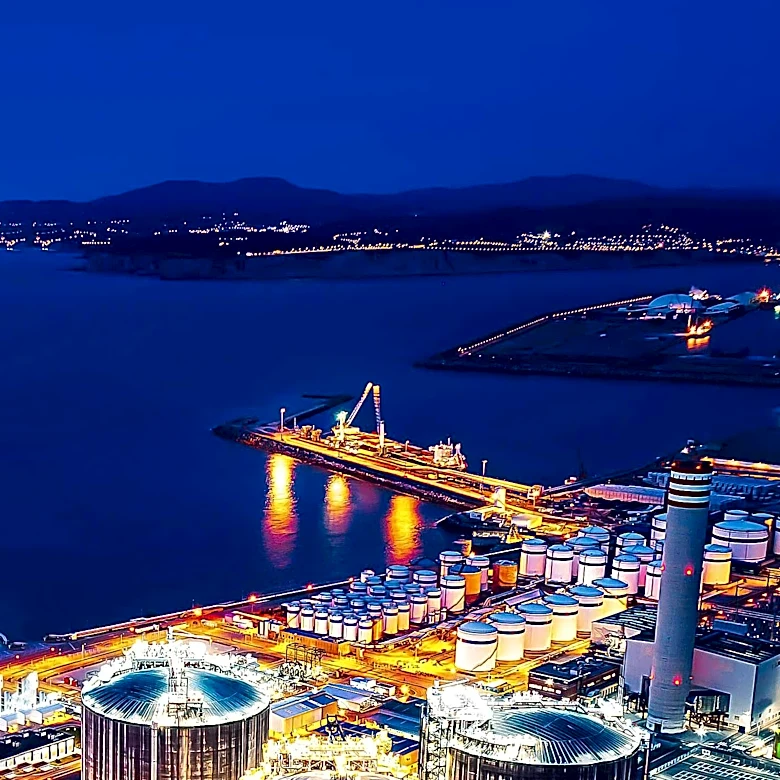
higher than a year earlier. This growth is largely attributed to strong demand for AI-related electronic products, which offset weaker performance in sectors affected by higher energy costs and transport disruptions. However, the WTO cautions that this resilience may be temporary if geopolitical tensions persist, as elevated energy prices and ongoing disruptions could impact trade growth.
Why It's Important?
The resilience of global trade, despite geopolitical tensions, underscores the growing importance of technology-driven sectors, particularly AI, in sustaining economic activity. This trend highlights the potential for technology to mitigate some of the negative impacts of geopolitical instability on trade. However, the ongoing tensions and elevated energy prices pose significant risks to future trade growth, potentially affecting global supply chains and economic stability. The situation emphasizes the need for businesses and policymakers to navigate a complex trading environment where technological advancements are balanced against geopolitical and economic risks.
What's Next?
The future of global trade will likely depend on the resolution of geopolitical tensions and continued investment in AI-related products. If tensions in the Middle East ease, trade prospects could improve, providing a more stable environment for international commerce. Businesses may need to adapt to a trading landscape where technology plays an increasingly central role, while also preparing for potential disruptions caused by geopolitical and economic factors.