



What's Happening?
U.S. Senator Brian Schatz has expressed concerns over the ongoing conflict between the U.S. and Iran, highlighting its impact on global energy markets and living costs. According to Schatz, the closure of the Strait of Hormuz by Iran has exacerbated global oil
shortages, leading to increased prices for gasoline, food, and electronics. He criticized the decision to engage in the conflict, drawing parallels to the Iraq War and describing it as a strategic failure despite tactical successes. Schatz also addressed the need for increased climate resilience in Hawaii, citing recent severe weather events as evidence of climate change's growing impact. He emphasized the importance of building a more resilient society to withstand future climate crises.
Why It's Important?
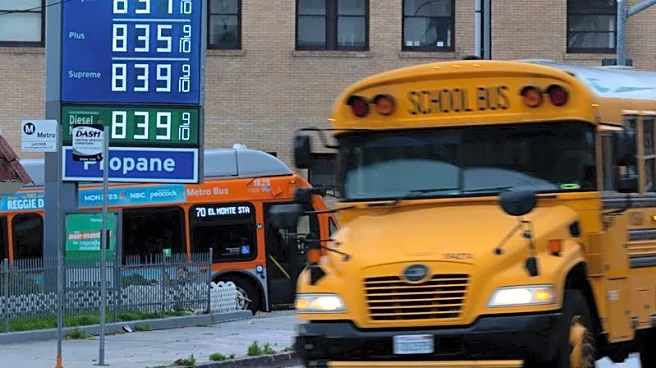
The conflict with Iran has significant implications for the U.S. economy, particularly in terms of energy prices and supply chain disruptions. The closure of the Strait of Hormuz, a critical chokepoint for global oil shipments, has led to a spike in energy costs, affecting various sectors and contributing to inflationary pressures. This situation underscores the interconnectedness of global markets and the potential for geopolitical events to impact domestic economies. Additionally, Schatz's comments on climate resilience highlight the urgent need for infrastructure improvements and policy measures to mitigate the effects of climate change, which poses long-term risks to communities and economies.
What's Next?
The U.S. government may need to explore diplomatic solutions to de-escalate tensions with Iran and reopen the Strait of Hormuz to stabilize energy markets. In the meantime, policymakers could focus on diversifying energy sources and enhancing domestic production to reduce reliance on foreign oil. On the climate front, there may be increased efforts to invest in resilient infrastructure and disaster preparedness, particularly in vulnerable regions like Hawaii. These initiatives could involve collaboration between federal, state, and local governments, as well as private sector partnerships, to address both immediate and long-term challenges.