



What's Happening?
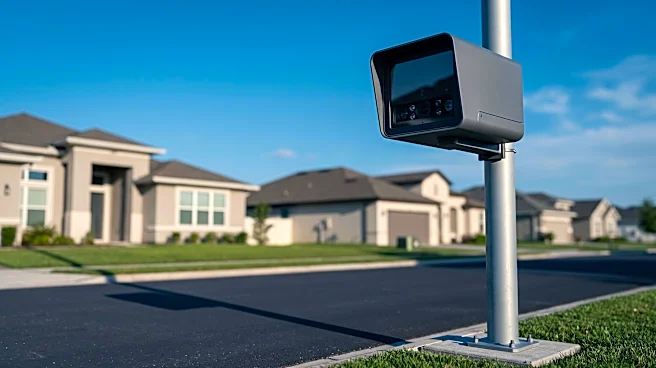
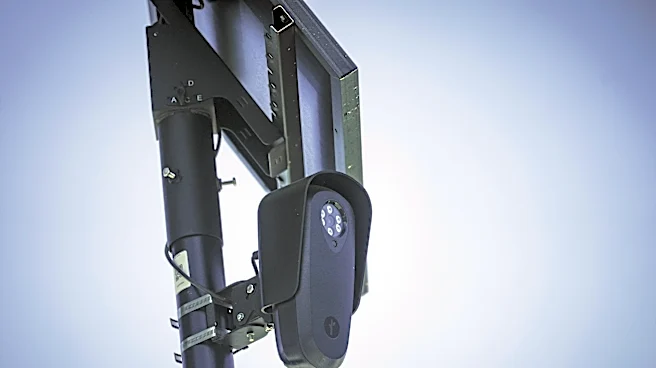
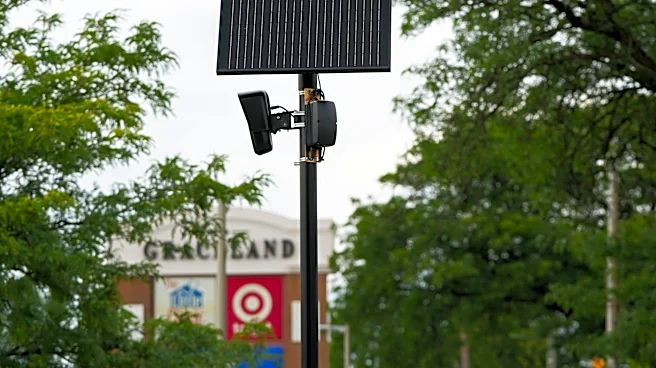
Texas Governor Greg Abbott has directed state agencies to cease providing state funding for Flock cameras, a surveillance technology utilizing automated license plate readers (ALPRs). This decision comes amidst growing privacy concerns and reports of
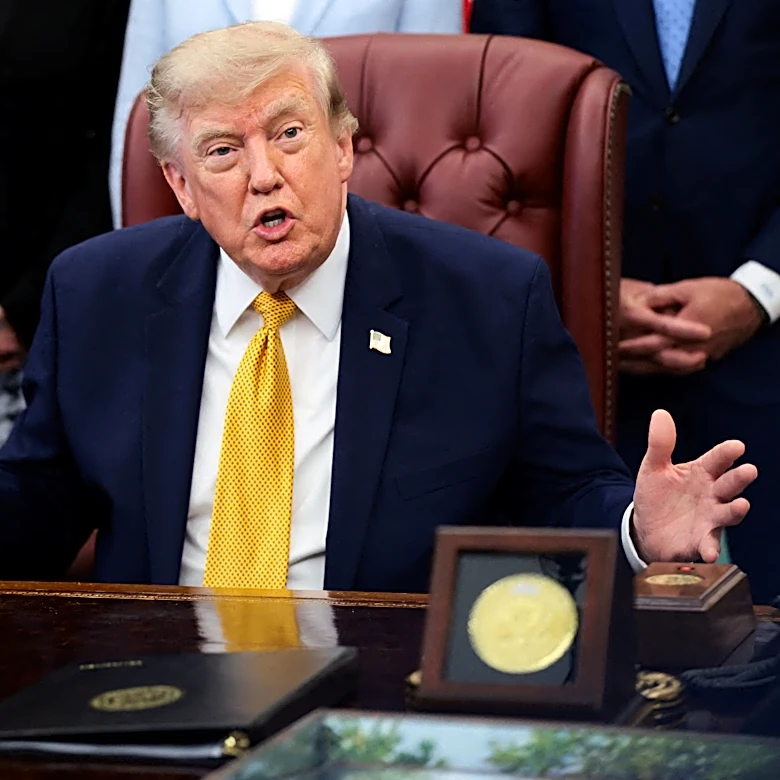
misuse by some law enforcement officers. While most Flock cameras in Texas are used by cities, and much of their funding originates from the federal government, Governor Abbott's directive specifically targets any state-level financial support. His spokesman, Andrew Mahaleris, confirmed that state agencies are clarifying that their funds cannot be used for these cameras. The move follows an investigation by The Texas Tribune, which was set to reveal that a state agency had allocated at least $30 million to expand the state's Flock surveillance network through grants to local police departments over the past three years. Governor Abbott emphasized the importance of protecting citizens' Fourth Amendment rights and privacy, stating that no private individual should have access to Flock cameras. He also noted a case where a Lufkin police officer faced charges for using the system to surveil a former girlfriend.
Why It's Important?
This action by Governor Abbott signifies a significant pushback against the proliferation of mass surveillance technology in Texas and highlights a broader national debate regarding privacy versus public safety. The decision could influence other states and municipalities to re-evaluate their use of ALPR systems, particularly those funded by state resources. For Flock Safety, a company whose technology is used by thousands of law enforcement agencies across 49 states, this represents a notable setback in a key market. The controversy underscores the tension between the perceived benefits of such technology in solving crimes and locating missing persons, and the potential for abuse and infringement on civil liberties. Critics, including the American Civil Liberties Union, argue that even with recent changes announced by Flock Safety to enhance accountability, the system still leaves room for misuse. The financial implications for cities that rely on state funding for these cameras could lead to a reduction in their use or a search for alternative funding sources, potentially impacting local law enforcement strategies.
What's Next?
Following Governor Abbott's directive, Texas state agencies will be required to ensure that no state funding is allocated to Flock cameras. Cities currently using these cameras, particularly those that have received state grants, will need to adjust their budgets or seek alternative funding if they wish to continue their contracts with Flock Safety. The company, which has stated its support for "thoughtful legislation and strong privacy, transparency, and accountability guardrails," recently announced changes to its platform, including mandatory audit tools for abnormal activity, a shortened data retention window from 30 to seven days, and requirements for linking searches to specific case numbers. However, critics suggest these changes may not fully address privacy concerns. The ongoing debate in Texas could prompt further legislative action at both state and local levels to regulate the use of surveillance technologies. Other states and civil liberties groups will likely monitor the impact of Texas's decision, potentially leading to similar policy discussions and actions nationwide.
Beyond the Headlines
The controversy surrounding Flock cameras in Texas delves into fundamental questions about the balance between security and individual freedoms in an increasingly surveilled society. The widespread deployment of ALPR technology, while touted as a crime-fighting tool, raises ethical concerns about the creation of vast databases of citizens' movements, regardless of their involvement in criminal activity. The potential for mission creep, where technology initially intended for serious crimes is then used for broader surveillance or even personal misuse, is a significant ethical challenge. The case of the Lufkin police officer using the system to surveil a former girlfriend exemplifies the human element of potential abuse, even within systems designed with safeguards. This situation also highlights the evolving legal landscape surrounding data privacy and the Fourth Amendment in the digital age, as courts and policymakers grapple with how traditional constitutional protections apply to modern surveillance technologies. The pushback in Texas could signal a growing public and political demand for more stringent oversight and accountability mechanisms for such technologies, potentially shaping future legislation and public discourse on digital privacy.