
What's Happening?
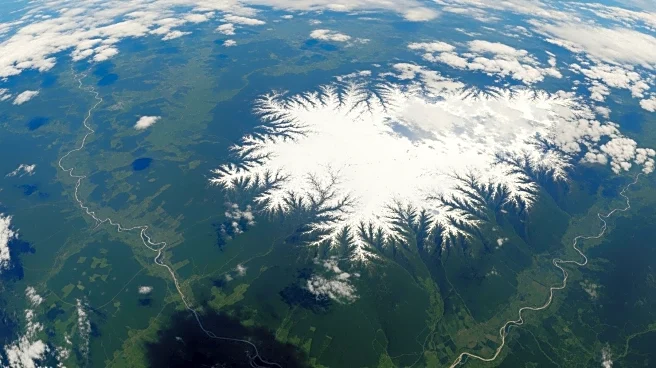
In Purace, Colombia, the Indigenous Coconuco community continues their daily lives despite the looming threat of an eruption from the Purace volcano. Recent seismic activity and ash emissions have raised alerts, prompting authorities to prepare for potential
evacuations of around 800 residents. However, many locals, like Oliverio Quira, remain unfazed, citing their deep connection to the land and the volcano's spiritual significance. The Purace volcano, standing over 15,000 feet, has a history of eruptions, with the last significant one occurring in 1977. For the Coconuco people, the volcano is a sacred entity, and they perform rituals to honor it, believing it communicates messages about environmental stewardship.
Why It's Important?
The situation highlights the resilience and cultural significance of Indigenous communities living in high-risk areas. The Coconuco people's relationship with the Purace volcano underscores the importance of respecting and understanding Indigenous perspectives on natural phenomena. Their approach to living with the volcano offers insights into sustainable living and environmental respect, contrasting with more conventional disaster management strategies. The potential eruption also poses challenges for local authorities in terms of evacuation logistics and resource allocation, emphasizing the need for effective disaster preparedness in vulnerable regions.
What's Next?
Authorities are working to establish temporary shelters and ensure the community's safety, focusing on water, food, and livestock protection. The Coconuco community's response to the volcano's activity will continue to be guided by their cultural beliefs and practices. The situation may prompt discussions on improving infrastructure and support for Indigenous communities facing natural threats, as well as broader conversations about integrating traditional knowledge into modern disaster management strategies.