




What's Happening?
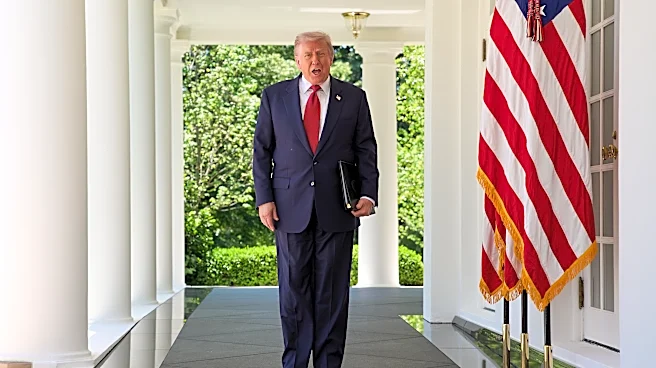
Ukraine and Russia have agreed to a three-day ceasefire during Russia's Victory Day celebrations, which commemorate the Soviet victory over Nazi Germany. The ceasefire, announced by President Trump, includes a prisoner exchange involving 1,000 individuals
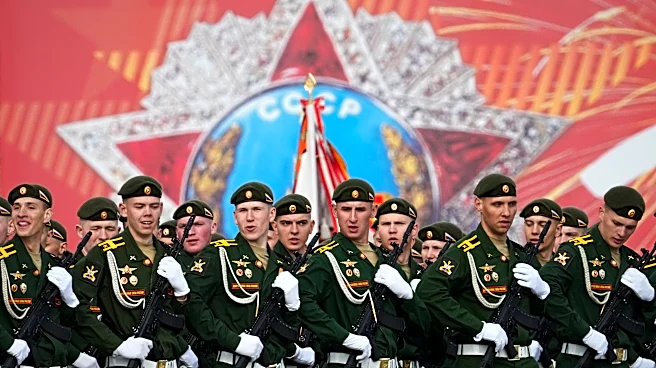
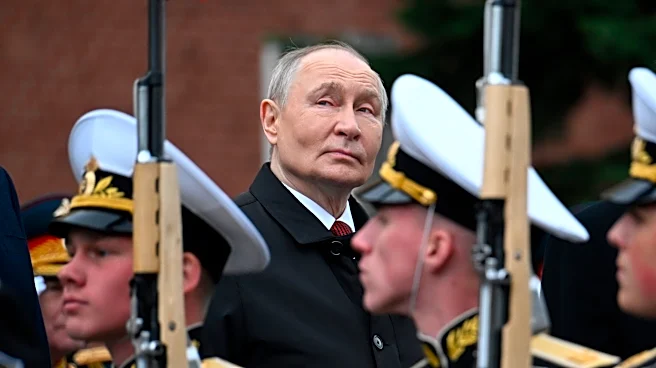
from each side. The agreement was reached following discussions between President Trump, Ukrainian President Volodymyr Zelensky, and Russian President Vladimir Putin. The truce is part of ongoing U.S. efforts to mediate an end to the conflict, although both sides have accused each other of ceasefire violations. The ceasefire coincides with Russia's annual military parade, which has been scaled back due to concerns over Ukrainian drone attacks.
Why It's Important?
The ceasefire is a critical development in the ongoing conflict between Russia and Ukraine, offering a temporary reprieve from hostilities. It underscores the role of international diplomacy, particularly U.S. involvement, in attempting to resolve the conflict. The prisoner exchange is a significant humanitarian gesture that could improve relations between the two nations. However, the accusations of ceasefire violations highlight the challenges in maintaining peace and the potential for renewed conflict. The ceasefire also coincides with a symbolic event for Russia, which uses Victory Day to reinforce nationalistic sentiments and justify its military actions.
What's Next?
The focus will be on ensuring compliance with the ceasefire and the successful execution of the prisoner exchange. The international community, including the United States, will likely continue diplomatic efforts to mediate a more permanent resolution. The reactions from NATO, the European Union, and other stakeholders will be crucial in shaping future developments. Additionally, domestic responses within Russia and Ukraine, particularly regarding public opinion and political dynamics, will influence the sustainability of the ceasefire.
Beyond the Headlines
The ceasefire highlights the intersection of historical narratives and current geopolitical strategies. Russia's use of Victory Day to draw parallels between World War II and the current conflict in Ukraine reflects its attempt to frame the war as a continuation of its historical struggle against fascism. This narrative is used to rally domestic support and justify military actions. The ceasefire also raises questions about the effectiveness of international mediation in conflict resolution and the potential for long-term peace.