

What's Happening?
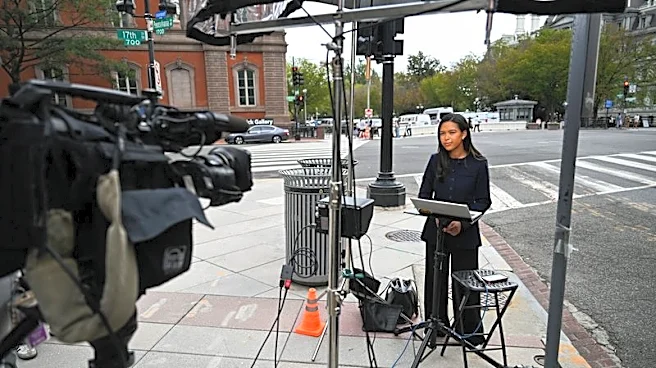
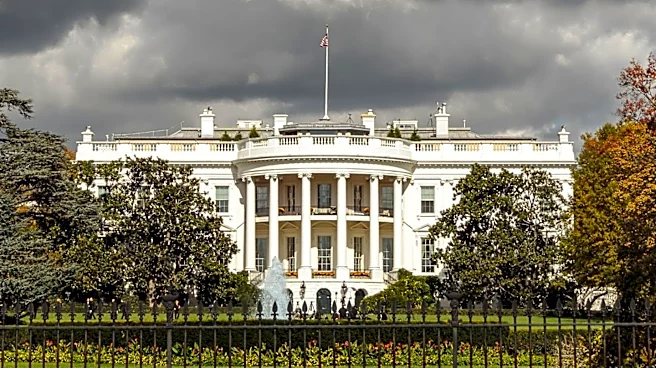
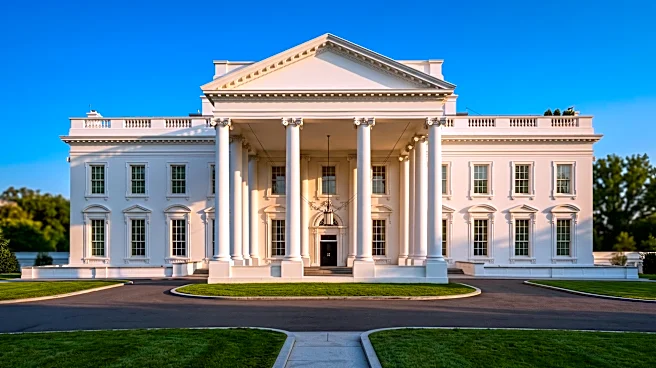
CNN, MS Now, and Politico have filed a lawsuit against the Trump administration after President Trump banned the news outlets from covering his administration from within the White House. The media groups announced their legal action on Monday, stating
their intent to protect their First Amendment rights and uphold the principle that the government should not dictate what the press reports or publishes. The lawsuit seeks a temporary restraining order to prevent further implementation of the ban and to compel the White House to immediately reinstate press credentials. Reporters from these outlets were denied entry to the White House over the weekend, and their badges were revoked. CNN, a member of the primary White House television pool, was also removed as the pool representative for President Trump's visit to New York. President Trump defended his decision on social media, labeling the outlets as 'FAKE NEWS' and a 'threat to our National Security,' without providing specific evidence.
Why It's Important?
This lawsuit is significant as it directly challenges the executive branch's power to restrict press access based on perceived unfavorable coverage, raising fundamental questions about media freedom and the First Amendment in the United States. The action by CNN, MS Now, and Politico underscores a broader concern among press freedom groups and legal experts regarding the erosion of independent journalism. If the ban were to stand, it could set a precedent allowing future administrations to engage in viewpoint discrimination, potentially limiting the public's access to diverse information and critical oversight of government actions. The incident has already led other major television networks, including Fox, ABC, CBS, and NBC, to suspend their presidential pool coverage in solidarity, effectively eliminating a widespread source of video for White House events and impacting the transparency of the administration's activities, especially during an election year and ahead of international engagements like the UN General Assembly.
What's Next?
A hearing for the temporary restraining order sought by CNN, MS Now, and Politico is scheduled for Wednesday in federal court in Washington, D.C. The outcome of this legal challenge will be closely watched, as it could determine the immediate access of these media outlets to the White House and potentially influence future interactions between the administration and the press. The White House Correspondents' Association has urged the administration to restore access for the journalists, and press freedom organizations continue to criticize the ban as illegal and unconstitutional. Depending on the court's decision, the administration may be forced to reinstate credentials, or the legal battle could escalate, potentially leading to a prolonged court process. The situation also highlights the ongoing tensions between the Trump administration and various media outlets, with President Trump having previously threatened to ban other media and being involved in litigation with several news organizations.
Beyond the Headlines
The ban on CNN, MS Now, and Politico from the White House extends beyond a simple access dispute; it represents a critical juncture for the principles of a free press and democratic accountability in the U.S. Legal experts view President Trump's actions as an 'unprecedented' and 'unconstitutional' escalation in his campaign against news outlets he deems critical. The concern is not only the direct impact on the targeted journalists but also the 'downstream effect' it could have, potentially emboldening other officials at various levels of government to restrict free speech and media access. This situation could normalize censorship and viewpoint discrimination, creating a chilling effect on reporting and limiting the public's ability to receive independent information. The administration's launch of a 'Trump TV' stream, promoted as an alternative to traditional media coverage, further suggests a move towards controlling narratives and potentially disseminating government propaganda, raising alarms about the future of media independence and the public's right to know.