

What's Happening?
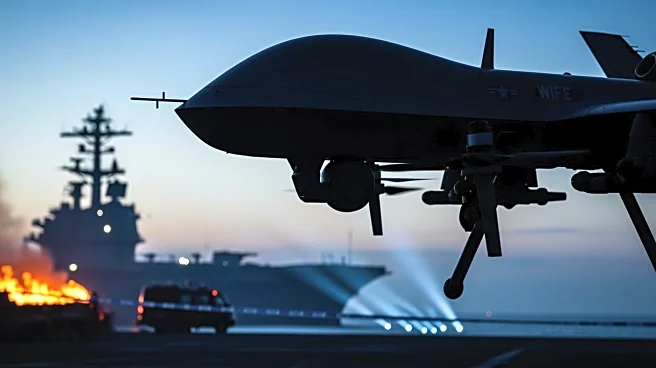
The U.S. military's use of a classified aircraft, painted to resemble a civilian plane, in a strike on an alleged drug boat in the Caribbean has sparked significant scrutiny and prompted numerous Congressional briefings. The aircraft, part of a secretive
program, was used in a mission that has raised questions about its legality under the law of war. Lawmakers have expressed concerns about the operation, which involved the aircraft being painted in a manner not typical for military planes. Despite the aircraft using a military transponder and having a military tail number, the operation's legality is under debate. Pentagon officials have stated that the operation was conducted under time constraints, but some sources argue that there were ample resources available, questioning the choice of this particular aircraft.
Why It's Important?
The incident highlights potential legal and ethical issues surrounding military operations that blur the lines between military and civilian appearances. The use of such tactics could be seen as perfidy, which is prohibited under the law of war, as it involves deceiving the enemy into believing they are safe. This situation raises broader implications for U.S. military operations, particularly in regions not officially declared as war zones. The legal ambiguity surrounding the operation could impact future military engagements and the U.S.'s international standing. Additionally, the operation's scrutiny by lawmakers indicates a potential reevaluation of military protocols and the need for clearer guidelines in similar operations.
What's Next?
Further Congressional investigations and briefings are likely as lawmakers seek to understand the full scope and legality of the operation. The Pentagon may face pressure to clarify its policies regarding the use of classified aircraft and the legal frameworks governing such operations. This could lead to changes in military strategy and increased oversight of operations involving classified programs. The situation may also prompt discussions on the U.S.'s approach to combating drug cartels and the legal definitions of armed conflict in such contexts.
Beyond the Headlines
The use of a classified aircraft painted as a civilian plane raises ethical questions about military transparency and the potential for misuse of classified programs. This incident could lead to a broader debate on the balance between national security and adherence to international law. The operation's scrutiny may also influence public perception of military actions and the importance of maintaining ethical standards in warfare. Long-term, this could affect the U.S.'s diplomatic relations and its role in international conflict resolution.