




What's Happening?
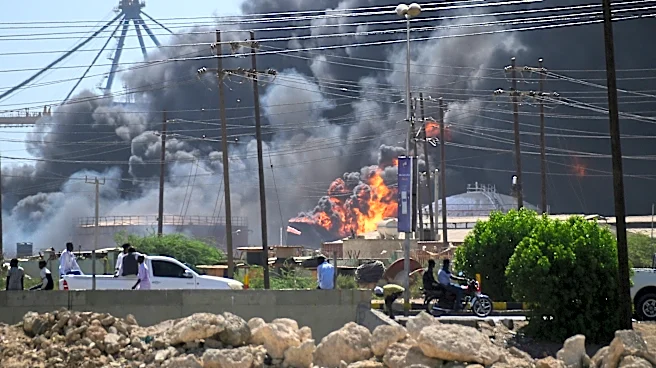
The ongoing conflict in Sudan, now entering its fourth year, has resulted in a severe humanitarian crisis. The paramilitary Rapid Support Forces (RSF), led by Gen Mohamed Hamdan Dagalo, have established a rival government in western Sudan, leading to
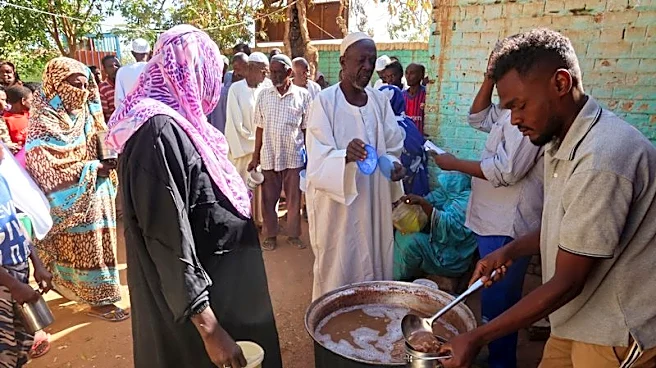
mass atrocities, including the siege of El Fasher in Darfur. The conflict has displaced millions, with over half the population facing acute food insecurity. International efforts to mediate peace have been hindered by external interests, with countries like the UAE allegedly backing the RSF, while Saudi Arabia and Egypt support Gen Abdel Fattah al-Burhan's government. The situation is further complicated by reports of Ethiopian involvement, raising fears of a regional war.
Why It's Important?
The conflict in Sudan highlights the devastating impact of prolonged warfare on civilian populations, with widespread displacement and food insecurity. It underscores the challenges of international diplomacy in resolving complex conflicts, especially when external powers have vested interests. The humanitarian crisis demands urgent attention from the global community, as millions of lives are at risk. The involvement of regional powers like the UAE, Saudi Arabia, and Egypt complicates peace efforts, potentially escalating the conflict into a broader regional war. The situation calls for increased international pressure to halt external support for the belligerents and prioritize humanitarian aid.
What's Next?
The international conference in Berlin aims to address the urgent need for peace in Sudan, but achieving a lasting resolution requires overcoming significant diplomatic hurdles. The global community must increase support for Sudan's voluntary aid groups and pressure external backers to cease their involvement. The humanitarian crisis cannot be resolved without a political solution, necessitating a renewed focus on mediation efforts. The potential for regional escalation remains a concern, with ongoing tensions between involved countries. The international community must act decisively to prevent further deterioration and support Sudan's path to peace.
Beyond the Headlines
The conflict in Sudan raises broader questions about the role of international powers in sustaining warfare for geopolitical gain. It highlights the ethical implications of external involvement in conflicts and the responsibility of nations to prioritize humanitarian needs over strategic interests. The situation also reflects the challenges of balancing diplomatic efforts with the realities of on-the-ground violence, emphasizing the need for comprehensive peace strategies that address root causes and involve all stakeholders.