


What's Happening?
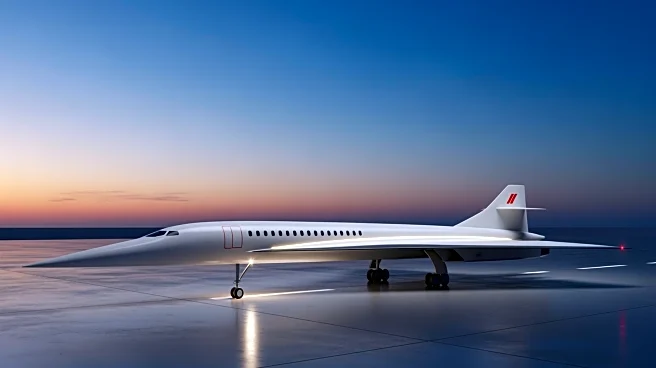
NASA's experimental supersonic aircraft, the X-59, returned early from a test flight conducted in the Antelope Valley. The X-59 is part of NASA's efforts to develop quieter supersonic travel, aiming to reduce the noise impact of sonic booms. The early return of the aircraft indicates
potential issues that need to be addressed before further testing can proceed. This aircraft is a key component of NASA's Low-Boom Flight Demonstration mission, which seeks to gather data that could lead to regulatory changes allowing commercial supersonic flight over land.
Why It's Important?
The development of the X-59 is significant for the future of aviation, as it represents a step towards making supersonic travel more accessible and environmentally friendly. By reducing the noise of sonic booms, NASA aims to pave the way for commercial supersonic flights over populated areas, which could revolutionize air travel by significantly reducing flight times. The success of this project could have wide-ranging implications for the aviation industry, potentially leading to new regulations and market opportunities.