








What's Happening?
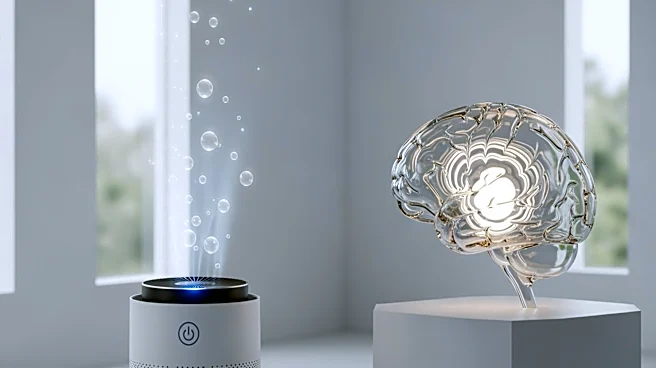
A recent study published in Scientific Reports has found that using HEPA air purifiers can lead to a small but significant improvement in brain function for adults aged 40 and older. Conducted in Somerville, Massachusetts, the study involved 119 participants
who were exposed to both real and sham air purifiers over a two-month period. The results showed that those who used the HEPA purifiers performed better on tests measuring mental flexibility and executive function. This improvement is comparable to cognitive benefits gained from increased physical exercise. The study highlights the potential of air purifiers to mitigate the negative effects of air pollution on cognitive health, particularly for those living near major highways.
Why It's Important?
The findings underscore the impact of air quality on cognitive health, particularly for individuals living in areas with high levels of air pollution. As air pollution is linked to various health issues, including neurological diseases, the use of HEPA air purifiers could offer a practical solution to improve mental function and potentially reduce the risk of cognitive decline. This is especially relevant for communities disproportionately affected by pollution, such as low-income and minority groups. The study suggests that improving indoor air quality could be a vital public health strategy to enhance cognitive health and overall well-being.
What's Next?
Further research is needed to explore the long-term effects of using HEPA air purifiers on cognitive function and to determine the mechanisms by which air quality improvements translate into cognitive benefits. Future studies may also investigate the potential for air purifiers to protect or even restore brain health by examining changes in brain structure and function over extended periods. Additionally, public health initiatives could focus on increasing access to air purifiers in high-pollution areas to mitigate health disparities.