








What's Happening?
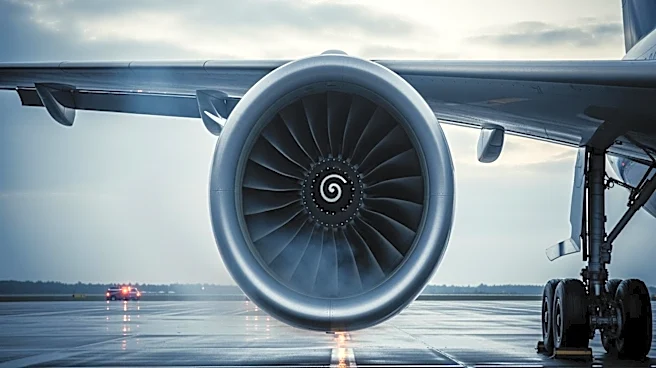
A Swiss Airbus A330-300, bound for Zurich, aborted its take-off at New Delhi's runway 28 due to a left-hand engine failure. The incident occurred on April 26, with the aircraft halting its roll at 106kt after receiving take-off clearance. Firefighting
personnel addressed fire and smoke on the main landing gear, leading to the evacuation of passengers using seven of the eight slides. Four passengers sustained injuries during the evacuation. The post-flight report identified an initial engine stall fault, followed by rudder trim and air pack faults, culminating in the engine failure. The engine failure was marked by a loud bang and visible flames from the cockpit. Preliminary inquiry revealed the engine's last overhaul was nearly a decade ago, with the powerplant operating for almost 40,000 hours before the failure. Damage was confined to the engine core, but the inability to rotate spools hindered identification of the failure cause during borescope inspection.
Why It's Important?
The incident underscores the critical importance of regular maintenance and timely overhauls of aircraft engines to ensure passenger safety. The failure of the engine, despite no pre-flight abnormalities, highlights potential risks associated with aging aircraft components. This event may prompt airlines to reassess their maintenance schedules and overhaul frequencies, particularly for older aircraft. The evacuation and subsequent injuries also raise concerns about emergency preparedness and response efficiency in aviation incidents. The investigation's findings could lead to new safety recommendations, influencing industry standards and practices globally. Airlines and regulatory bodies may need to consider stricter guidelines for engine maintenance and emergency protocols to prevent similar occurrences.
What's Next?
Investigators are yet to release safety recommendations, pending further analysis of the engine failure. The aviation industry may anticipate updates to maintenance protocols and emergency response procedures based on the investigation's conclusions. Airlines operating similar aircraft might conduct additional inspections or expedite engine overhauls to mitigate risks. Regulatory bodies could introduce new guidelines or mandates to enhance safety standards. The incident may also lead to discussions on the balance between operational costs and safety investments, influencing future industry practices.