



What's Happening?
The European Commission has approved a €100 million scheme proposed by Austria to bolster clean technology manufacturing capacity. This initiative aligns with the objectives of the Clean Industrial Deal, aiming to transition towards a net-zero economy.
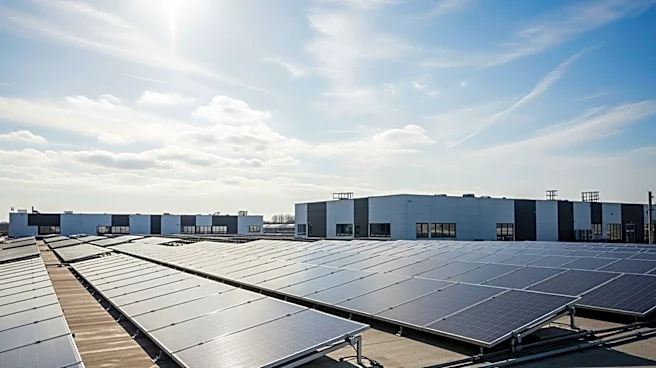
The scheme, approved under the Clean Industrial Deal State Aid Framework (CISAF), will provide subsidized loans to small, medium, and large enterprises investing in strategic sectors such as batteries, solar panels, and windmills. The aid is available until December 31, 2026, and is designed to ensure sufficient manufacturing capacity for clean technologies. The Commission found the scheme necessary and proportionate to accelerate the transition to a net-zero economy, facilitating the development of economic activities crucial for the Clean Industrial Deal.
Why It's Important?
This approval is significant as it supports the European Union's broader goals of reducing carbon emissions and fostering sustainable economic growth. By incentivizing the production of clean technologies, the scheme aims to enhance the EU's competitiveness in the global cleantech market. It also addresses the need for strategic investments in renewable energy and low-carbon technologies, which are essential for achieving the EU's climate targets. The initiative could lead to increased employment opportunities in the cleantech sector and reduce dependency on imported fossil fuels, contributing to energy security and economic resilience.
What's Next?
The Austrian scheme is expected to stimulate further investments in clean technology manufacturing, potentially attracting more enterprises to participate. As the scheme progresses, it may serve as a model for other EU member states looking to implement similar initiatives. The success of this scheme could influence future EU policies and funding allocations towards cleantech and renewable energy projects. Stakeholders, including businesses and environmental groups, will likely monitor the scheme's impact on the cleantech industry and its contribution to the EU's climate goals.