





What's Happening?
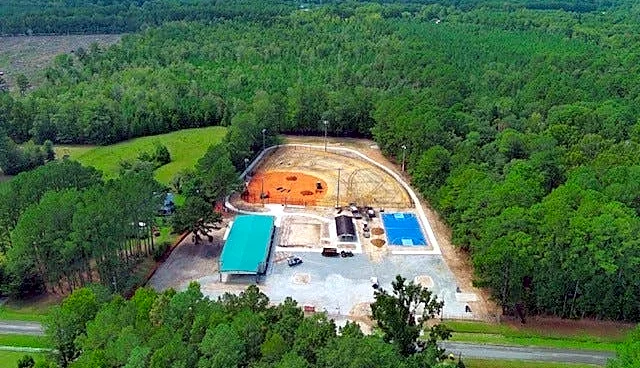
Henrico County officials, including Tuckahoe District Supervisor Jody Rogish, held a groundbreaking ceremony on September 9 to commence upgrades at Tuckahoe Park. The park, acquired by Henrico in 2007 and home to Tuckahoe Little League, is set to receive
substantial investments in community amenities. The planned improvements, based on resident feedback, include a new playground, additional restrooms, and enhanced connectivity. Funding for these upgrades is sourced from the county's voter-approved 2016 bond referendum. Specific renovations encompass paving two parking lots, redoing existing restrooms, constructing new restrooms and an additional parking lot, and installing new storm drainage systems. Recreation & Parks Director John Zannino emphasized that prioritizing resident feedback, with a focus on comfort and accessibility, was central to the planning process. The construction has begun ahead of the fall ball season, and the park and athletic fields will remain open throughout the renovation period.
Why It's Important?
This significant investment in Tuckahoe Park underscores Henrico County's commitment to enhancing public recreational facilities and responding to community needs. The upgrades will directly benefit local families, Little League participants, and all park visitors by providing safer, more accessible, and modern amenities. The focus on resident feedback highlights a participatory governance approach, ensuring that public funds are allocated to projects that genuinely address community priorities. The project's funding through a voter-approved bond referendum demonstrates public support for such initiatives, reinforcing the value placed on green spaces and recreational opportunities within the county. Furthermore, the decision to keep the park and athletic fields open during construction minimizes disruption to ongoing community activities, reflecting a thoughtful approach to project management and public service. This initiative is a testament to the county's long-term vision for community well-being and quality of life.
What's Next?
Construction at Tuckahoe Park has officially begun and will proceed while the park and athletic fields remain open for public use, including the fall ball season. The upgrades will include the paving of two parking lots, the renovation of existing restrooms, the construction of additional restrooms and a new parking lot, and the installation of new storm drainage systems and a playground. Separate upgrades to the baseball and softball fields and batting cages are already partially complete. The project's progress will be monitored, with officials ensuring minimal disruption to park users. Once completed, the new amenities and enhancements will be accessible to the public during park hours. The county will likely continue to solicit feedback from residents to ensure the new facilities meet their expectations and to plan for future maintenance and programming at the park.
Beyond the Headlines
The Tuckahoe Park upgrade project reveals a nuanced aspect of public funding and facility management, particularly concerning the use of bond referendums. Original plans for a $16-million restructuring of the field layout and a new entrance were scaled back due to concerns about jeopardizing the tax-exempt status of the bonds. This was because Tuckahoe Little League and Tuckahoe Sports, Incorporated retain exclusive rights to the fields during their season, meaning the complex was not entirely 'public.' Henrico County Attorney Andrew Newby explained that using tax-exempt bonds for what could be described as private activity was a concern. Consequently, the county opted to use approximately $7 million from other funding sources for the Little League upgrades. This situation highlights the complex legal and financial considerations involved in public-private partnerships and the allocation of public funds, ensuring compliance with tax regulations while still delivering essential community improvements. It also underscores the importance of clear definitions of 'public' use when leveraging taxpayer money for community assets.