








What's Happening?
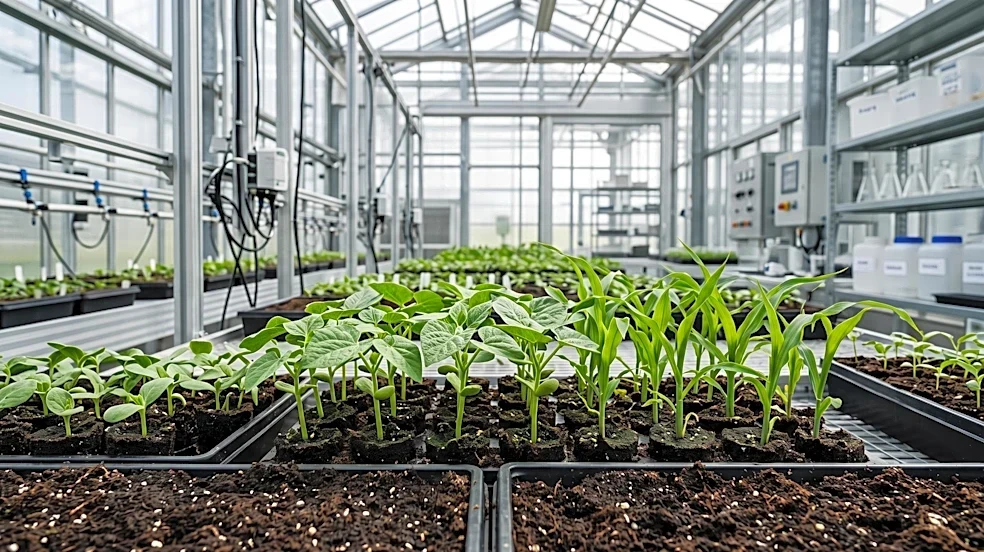
Medgene, an animal health company based in South Dakota, is collaborating with the Foundation for Food and Agriculture Research (FFAR) on a nearly $500,000 project to develop and test a vaccine for New World screwworm in cattle. This initiative aims to provide
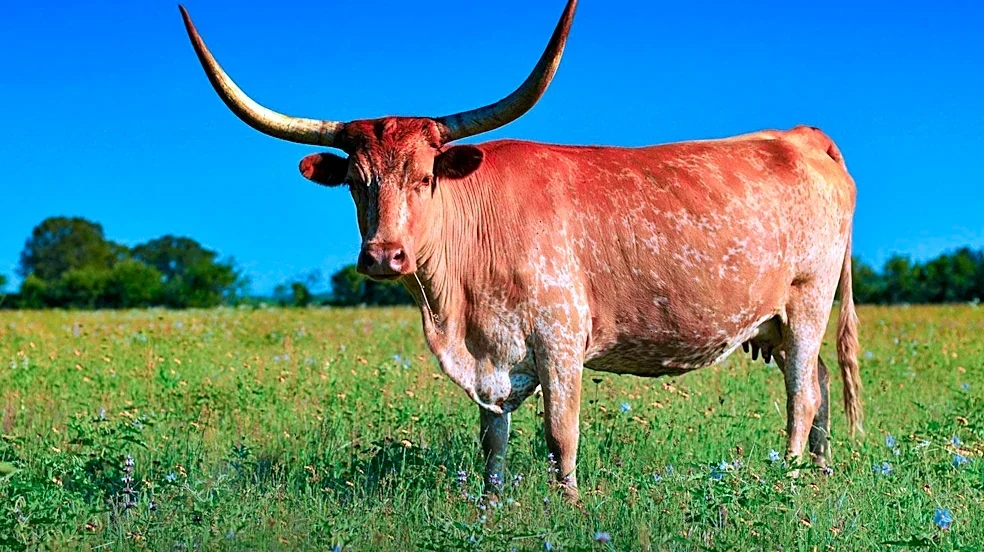
a new tool for protecting livestock from the destructive parasite, which poses a significant threat to the U.S. cattle industry. New World screwworm larvae feed on the living tissue of warm-blooded animals, causing severe wounds and tissue damage that can be life-threatening if left untreated, potentially leading to death within seven to 14 days. The research focuses on evaluating a potential vaccine designed to protect cattle, complementing existing measures such as surveillance and animal health monitoring. This development is crucial as concerns about the parasite's potential economic impact continue to grow, highlighting the need for advanced prevention tools to safeguard livestock health and reduce potential losses for producers.
Why It's Important?
The development of a New World screwworm vaccine is critically important for the U.S. cattle and livestock industries, which collectively represent over $100 billion in economic activity. An effective vaccine could significantly reduce the risk of widespread infestations, which can lead to substantial economic losses for producers through animal deaths, treatment costs, and potential movement restrictions. The parasite's ability to rapidly cause severe tissue damage means that early detection and prompt treatment are essential, but a vaccine would offer a proactive layer of protection. This research investment by Medgene and FFAR underscores the industry's commitment to preparedness and resilience against animal health threats. A successful vaccine would not only protect individual animals but also contribute to the stability of the broader supply chain, mitigating the financial burdens associated with managing outbreaks and ensuring the long-term viability of U.S. livestock production.
What's Next?
The immediate next steps involve continued development and rigorous testing of the vaccine candidate by Medgene and FFAR. This research will focus on evaluating the vaccine's effectiveness and determining its potential for widespread application in cattle. Should the vaccine prove successful in trials, further regulatory approvals would be required before it could be made available to producers. In parallel, producers will continue to play a vital role in monitoring their cattle for suspicious wounds or potential screwworm infestations and seeking prompt veterinary assistance. The success of this project could lead to a significant shift in how the U.S. livestock industry manages the threat of New World screwworm, potentially reducing reliance on current control methods and offering a more robust preventative strategy. The broader impact could include enhanced animal welfare and greater economic security for ranchers.
Beyond the Headlines
Beyond the immediate goal of protecting cattle, the development of this vaccine highlights a broader trend in agricultural science: the increasing reliance on advanced biotechnological solutions to address persistent threats to food security and economic stability. The collaboration between a private animal health company and a research foundation also exemplifies a model for tackling complex agricultural challenges through public-private partnerships. This effort could set a precedent for future vaccine development against other livestock diseases, potentially reducing the need for extensive chemical treatments or culling in response to outbreaks. Furthermore, the success of such a vaccine could have global implications, offering a blueprint for other countries facing similar parasitic threats to their livestock industries. It underscores the continuous innovation required to maintain a resilient and sustainable food supply chain in the face of evolving biological challenges.