





What's Happening?
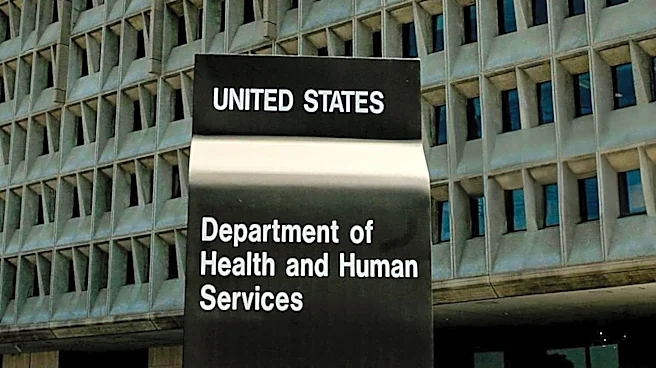
The U.S. Department of Health and Human Services (HHS), through its Administration for Community Living (ACL), has announced over $9.7 million in new funding aimed at protecting older adults. This investment will support various initiatives, including
developing new methods to prevent abuse, neglect, and financial exploitation, expanding access to legal assistance for seniors, and strengthening advocacy for individuals residing in nursing homes and other care facilities. Additionally, a portion of the funding will help women with significant economic and social needs build financial literacy. HHS Secretary Robert F. Kennedy, Jr. emphasized that the Trump Administration is committed to ensuring older Americans live with dignity, control their lives, and protect their assets. The funding addresses the urgent need to combat financial exploitation, which is estimated to cost older Americans $28.3 billion annually, and other forms of elder abuse, affecting at least 1 in 10 older adults each year. The ACL's efforts are part of the Elder Justice Coordinating Council (EJCC), which works to coordinate federal responses to elder abuse.
Why It's Important?
This significant investment by HHS underscores the growing national concern regarding elder abuse and the need for comprehensive protective measures. Financial exploitation, in particular, represents a massive drain on the savings and security of older Americans, often perpetrated by family members, caregivers, or scammers. By expanding legal help, the initiative aims to provide vulnerable seniors with the resources needed to combat fraud, navigate complex legal issues like guardianship, and protect their assets. Strengthening advocacy for nursing home residents is also critical, as these individuals are often among the most vulnerable to neglect and abuse within institutional settings. The funding's focus on financial literacy for women with economic and social needs recognizes that certain demographics may be disproportionately affected by financial insecurity and exploitation. Ultimately, these programs are vital for upholding the dignity and independence of older adults, ensuring they can age safely and securely within their communities, and reducing the societal and economic costs associated with elder abuse.
What's Next?
The newly allocated funds will be distributed through various grants. Six Elder Justice Innovation Grants, totaling over $5.6 million, will be awarded over three years to develop and test new approaches to emerging elder justice problems, focusing on prevention, early intervention, and improved outcomes for victims. Four Legal Assistance Enhancement Program grants, totaling $1.9 million over two years, will support new ways to expand or improve legal services for older adults with economic or social needs, with each project addressing a priority legal issue under the Older Americans Act. Additionally, a three-year grant of $1.5 million will operate the National Long-Term Care Ombudsman Resource Center, providing training and technical assistance to state ombudsman programs. Another three-year grant of $717,000 will establish the National Resource Center for Women and Retirement, offering financial education and resources. These programs will be implemented in communities across the U.S., with ongoing evaluation to assess their effectiveness and inform future strategies.
Beyond the Headlines
The issue of elder abuse extends beyond financial and physical harm, encompassing profound psychological and emotional impacts on victims. The initiatives funded by HHS aim to address these multifaceted challenges by not only providing legal and protective services but also by fostering community-level awareness and support systems. The emphasis on early detection and prevention highlights a proactive approach, recognizing that intervention before abuse escalates is crucial. Furthermore, the focus on financial literacy, particularly for women, acknowledges systemic vulnerabilities that can make certain groups more susceptible to exploitation. This comprehensive strategy reflects a broader societal shift towards recognizing and addressing the complex needs of an aging population. The success of these programs will depend on effective collaboration between federal, state, and local agencies, as well as community organizations, to create a robust safety net for older Americans and ensure that justice is accessible to all, regardless of age or circumstance.