



What's Happening?
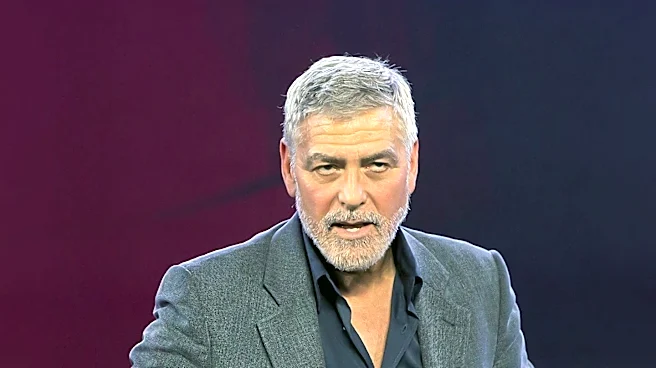
Actor and activist George Clooney co-founded The Sentry in 2016 with human rights advocate John Prendergast. The organization was established with the explicit goal of disrupting traditional approaches to international crisis response. Clooney and Prendergast had
previously collaborated on various initiatives in conflict zones, particularly in Sudan, South Sudan, and the Democratic Republic of Congo, including the Satellite Sentinel Project, Not On Our Watch, and the Enough Project. Their extensive experience in these regions revealed that conventional tools for crisis resolution, such as peace processes, legal accountability efforts, and peacekeeping missions, often fell short. They identified a critical gap: these methods failed to address the underlying financial incentives that perpetuate conflict, repression, corruption, and dictatorship. The Sentry was thus created to tackle this fundamental issue by focusing on the financial networks that fuel these crises.
Why It's Important?
The Sentry's approach is significant because it targets the financial roots of international conflicts and human rights abuses, a dimension often overlooked by traditional humanitarian and diplomatic efforts. By focusing on financial incentives, the organization aims to dismantle the economic structures that benefit from war, corruption, and oppression. This strategy can have a profound impact by making it less profitable for individuals and entities to engage in destructive activities, thereby promoting peace and good governance. The involvement of George Clooney brings considerable public attention and influence to these complex issues, helping to raise awareness and garner support for investigative efforts and policy changes. The Sentry's work can lead to sanctions against corrupt actors, asset freezes, and increased accountability, ultimately contributing to more stable and just societies in conflict-affected regions.
What's Next?
The Sentry is expected to continue its investigative work, exposing financial networks that fuel conflicts and corruption in various regions. This will likely involve ongoing research, data analysis, and collaboration with financial intelligence units and government agencies to track illicit financial flows. The organization will probably expand its advocacy efforts, pushing for stronger international sanctions, asset recovery, and legal accountability for those who profit from human rights abuses and instability. Future initiatives may include developing new tools and methodologies for financial investigations and building capacity among local partners to combat corruption. The Sentry will also likely continue to publish detailed reports and engage with policymakers to influence foreign policy decisions and promote more effective strategies for conflict prevention and resolution by targeting economic drivers.
Beyond the Headlines
The Sentry's work delves into the complex interplay between finance, conflict, and human rights, highlighting the ethical responsibilities of the global financial system. By exposing how illicit financial flows sustain violence and corruption, the organization challenges the notion that these issues are solely political or humanitarian. It underscores the complicity, direct or indirect, of international financial institutions and regulatory bodies in perpetuating these problems. This approach prompts a deeper examination of global economic governance and the need for more robust mechanisms to prevent money laundering, terrorist financing, and the illicit enrichment of authoritarian regimes. The Sentry's efforts also raise awareness about the long-term consequences of unchecked financial malfeasance, which can undermine democratic institutions, exacerbate poverty, and fuel mass displacement, thereby contributing to broader global instability.