

What's Happening?
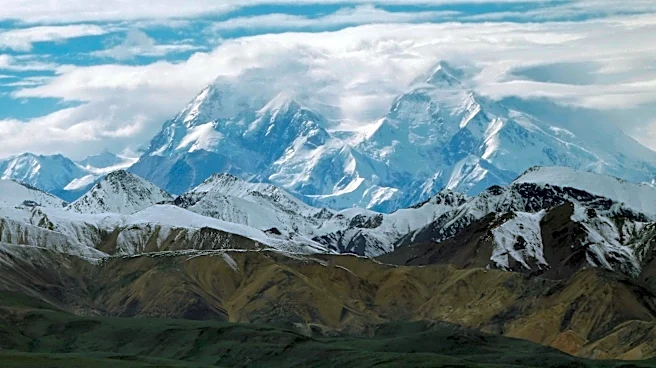
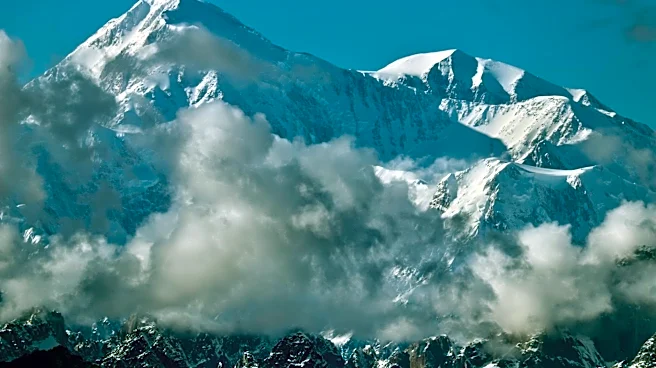
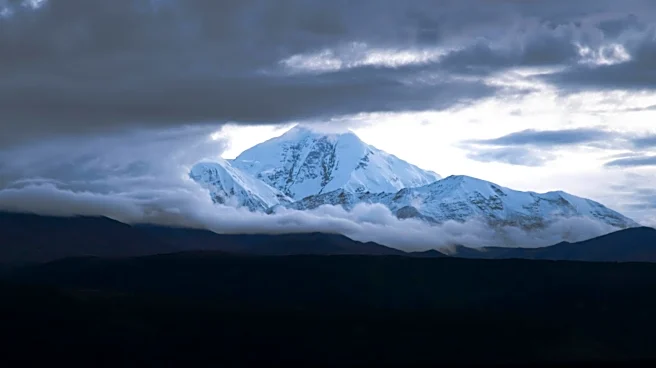
Three climbers from a Latvian mountaineering group died after falling near a treacherous pass on Mount McKinley, North America's tallest peak. A fourth climber was rescued by Denali National Park and Preserve search and rescue personnel. The incident
occurred as the group was traversing a route known for its exposed sections, which have historically been the site of many injuries and deaths. The climbers fell near Denali Pass, at an altitude of about 18,200 feet. The rescued climber was airlifted to a hospital after being brought down from approximately 17,200 feet using a long line from a helicopter, as the terrain prevented a landing. The group was on the West Buttress route, a popular path to the summit known for its challenging conditions, including crevasses and steep ice.
Why It's Important?
This tragic event highlights the inherent dangers of climbing Mount McKinley, a peak that has claimed over 130 lives throughout its history. The mountain's challenging conditions, including intense glaciation, rapid weather changes, and high altitudes, make it a formidable challenge even for experienced climbers. The incident underscores the need for rigorous safety measures and the importance of rescue operations in such treacherous environments. The fatalities also bring attention to the risks associated with high-altitude mountaineering and the need for climbers to be well-prepared and equipped to handle unexpected situations.
What's Next?
Following the incident, there may be increased scrutiny on the safety protocols and rescue operations on Mount McKinley. The National Park Service and other stakeholders might review and potentially enhance safety measures to prevent future tragedies. Additionally, the climbing community may engage in discussions about best practices for navigating the mountain's most dangerous sections. The incident could also lead to a reevaluation of the support and resources available to climbers attempting to summit the peak.