


What's Happening?
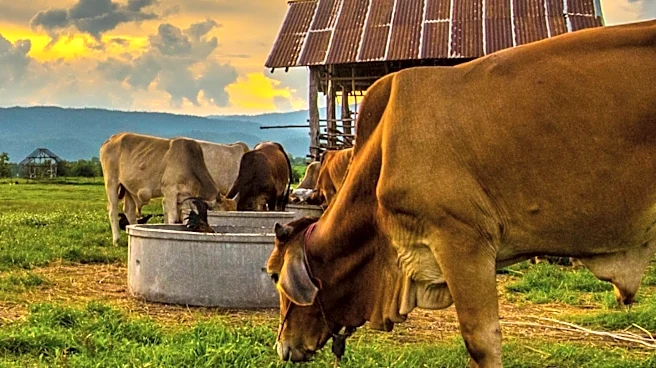
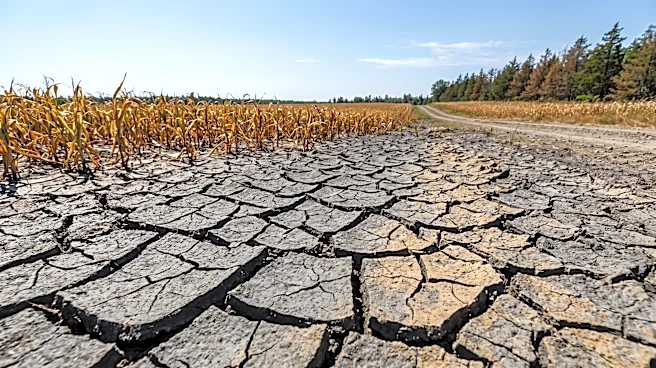
The U.S. Department of Agriculture (USDA) has announced the availability of technical and financial assistance for agricultural producers in Maine who have been significantly affected by recent drought conditions. This support aims to help farmers and livestock
producers recover from adverse weather events. Farm Production and Conservation Under Secretary Richard Fordyce encourages impacted producers to contact their local USDA Service Center to report losses and explore available program options. These programs include the 2026 Livestock Forage Disaster Program (LFP) for grazing losses, the Emergency Assistance for Livestock, Honeybees, and Farm-Raised Fish Program (ELAP) for feed and grazing losses, and the Tree Assistance Program (TAP) for orchardists and nursery tree growers to replant or rehabilitate eligible trees. Additionally, the USDA offers various direct and guaranteed farm loans, including emergency loans, and loan servicing options for those unable to make scheduled payments.
Why It's Important?
The USDA's disaster assistance is critical for the economic stability of Maine's agricultural sector, which faces significant challenges from climate-related events like drought. Without this support, many farmers and livestock producers could experience severe financial hardship, potentially leading to business closures and a reduction in local food production. The programs help mitigate immediate losses and provide resources for long-term recovery and resilience. By offering financial aid, technical guidance, and risk management options, the USDA helps ensure the continuity of agricultural operations, safeguarding the food supply chain and supporting rural economies. This assistance also highlights the increasing need for robust disaster preparedness and response mechanisms in the face of changing weather patterns.
What's Next?
Impacted producers in Maine are urged to promptly report all crop, livestock, and farm infrastructure damages and losses to their local Farm Service Agency (FSA) county office. Specific deadlines apply for different programs: LFP and ELAP applications for 2026 losses must be submitted by March 1, 2027, while TAP applications must be filed within 90 days of the disaster event or when the loss becomes apparent. Producers with Federal Crop Insurance or Noninsured Crop Disaster Assistance Program (NAP) coverage should also report damages to their agents within 72 hours or 15 days, respectively. The USDA's Natural Resources Conservation Service (NRCS) will also work with farmers to implement conservation practices to improve soil health and water conservation for future drought resilience.
Beyond the Headlines
The recurring need for disaster assistance due to drought underscores the broader implications of climate change on U.S. agriculture. While immediate aid is crucial, the long-term strategy involves enhancing farm resilience through conservation practices and improved risk management. The USDA's emphasis on programs like the Environmental Quality Incentives Program and the Emergency Conservation Program reflects a shift towards proactive measures to adapt to and mitigate the effects of extreme weather. This situation also highlights the interconnectedness of environmental health and economic stability, particularly in agricultural communities, prompting ongoing discussions about sustainable farming practices and federal support for climate adaptation.