





What's Happening?
In a recent analysis, Alexander Kustov, an associate professor at the University of Notre Dame, highlights the significant public support for highly skilled immigration in the United States. Despite the contentious nature of immigration politics, programs
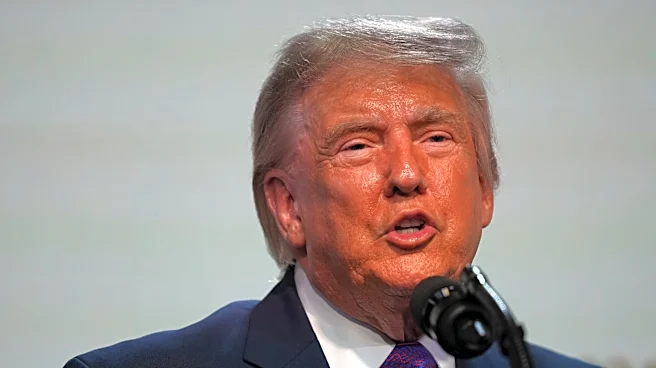
that clearly benefit the country, such as those attracting top global talent, receive backing even from typically anti-immigration voters. Historical examples, like the Soviet Scientists Immigration Act of 1992, demonstrate bipartisan support for such initiatives. However, current political dynamics show a retreat from these policies, with both Democrats and Republicans hesitant to champion them due to internal party pressures. The Trump administration's recent policies, including increased fees for H-1B visas and proposed wage adjustments, threaten to deter foreign talent, particularly in fields like artificial intelligence, where the U.S. has traditionally held an advantage.
Why It's Important?
The debate over highly skilled immigration is crucial for maintaining the U.S.'s competitive edge in technology and innovation. As other countries actively recruit top talent, the U.S. risks losing its advantage if it fails to implement supportive immigration policies. The potential loss of researchers and specialists to countries like China, the UK, and Canada could impact the U.S.'s leadership in critical areas such as artificial intelligence. The political reluctance to embrace these programs may lead to a talent drain, affecting economic growth and technological advancement. The issue underscores the need for a balanced approach that addresses both security concerns and the economic benefits of skilled immigration.
What's Next?
The future of U.S. immigration policy for skilled workers remains uncertain. Political leaders face the challenge of crafting policies that attract global talent while addressing domestic concerns about job competition and security. The upcoming decisions by the Labor Department on wage regulations for foreign workers will be pivotal. Additionally, expanding the use of visas like the O-1A for extraordinary ability could provide a pathway to retain top talent without legislative hurdles. The political party that successfully navigates these complexities and champions a pro-growth immigration policy may gain significant voter support.