





What's Happening?
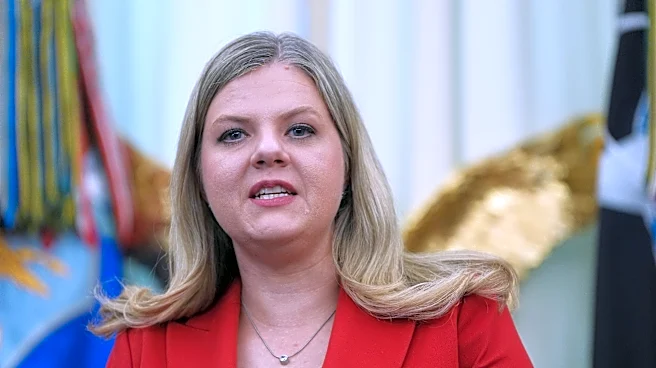
Jocelyn Benson, Michigan's current Secretary of State and the Democratic candidate for governor, has officially selected state Senate Majority Leader Winnie Brinks as her running mate. The announcement was made in Grand Rapids, the city Brinks has represented
in the Legislature since 2013. Brinks, Michigan's first-ever female majority leader of the Senate, brings a decade of experience in public office, having first been elected to the state House in 2012 and then to the Senate in 2018. Benson highlighted Brinks's track record of legislative accomplishments and emphasized the strategic importance of West Michigan in the upcoming November election. This selection means the Democratic ticket for governor will feature two women, contrasting with the all-male Republican ticket.
Why It's Important?
The selection of Winnie Brinks as Jocelyn Benson's running mate carries significant political weight for the Michigan gubernatorial race. Brinks's background as a seasoned legislator and her representation of West Michigan are crucial for the Democratic ticket. Her presence on the ticket aims to bolster support in a region that has seen a political transformation, shifting from a Republican stronghold to a more competitive area, as evidenced by Kamala Harris's win in Kent County in 2024. As Lieutenant Governor, Brinks would also serve as the president of the Senate, a role that could be instrumental in advancing Benson's legislative agenda. The all-female top of the Democratic ticket could also energize specific voter demographics and present a distinct contrast to the Republican slate, potentially influencing voter turnout and perceptions of leadership diversity.
What's Next?
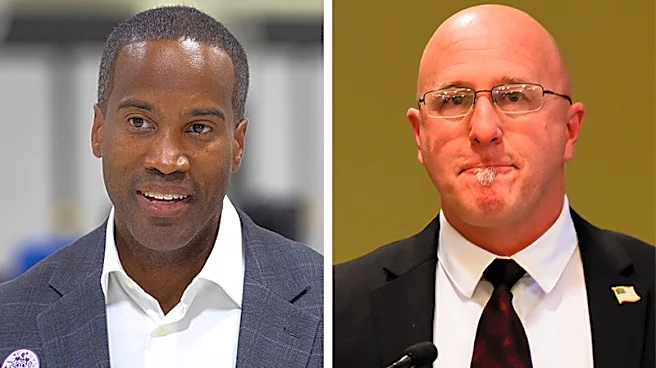
With the running mate selection finalized, the Benson-Brinks ticket will now intensify its campaign efforts across Michigan, focusing on key issues such as lowering costs, raising wages, and making Michigan an affordable place to live. The Republican opposition, led by gubernatorial candidate John James and his running mate Jay DeBoyer, has already begun to criticize Brinks's legislative record, particularly her votes on tax incentives and the repeal of the right-to-work law. The coming months will see increased debates and public appearances as both tickets vie for voter support. The impact of Brinks's West Michigan roots and her legislative experience on the overall campaign strategy and voter reception will be closely watched, especially as early polling and fundraising continue to favor Benson.
Beyond the Headlines
The choice of Winnie Brinks reflects a broader strategic effort by Michigan Democrats to consolidate power and appeal to a diverse electorate. Her journey from a write-in candidate to Senate Majority Leader underscores a narrative of perseverance and grassroots engagement that could resonate with voters. The emphasis on her role in the political transformation of Kent County highlights the evolving political landscape in Michigan and the importance of regional representation. Furthermore, the contrasting gender composition of the Democratic and Republican tickets could spark discussions about representation and leadership in state politics, potentially influencing how voters perceive the parties' values and priorities. This election will not only determine the state's leadership but also serve as a barometer for shifting political allegiances and the effectiveness of diverse political strategies.