





What's Happening?
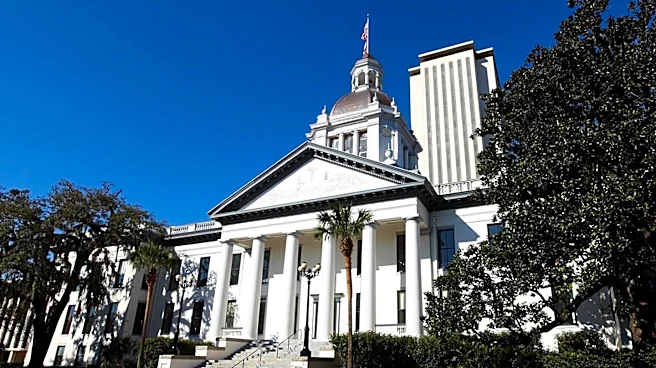
An unearthed 2022 State of Florida audit has revealed that over $1 billion in COVID-19 relief funding went unmonitored by the Florida Division of Emergency Management (FDEM) during the tenure of then-director, now-Rep. Jared Moskowitz, D-Fla. The audit,
titled 'Compliance and Internal Controls over Financial Reporting and Federal Awards,' specifically flagged that 'FDEM did not monitor the activities of any subrecipients.' This lack of oversight pertains to $210,562,500 distributed to 39 local government recipients in the 2020-2021 fiscal year and an additional $1,026,225,200 to 55 locations the following year, totaling $1.23 billion. The audit states that federal regulations require monitoring activities such as reviewing subrecipient audit reports and ensuring timely action on deficiencies. While no fraud has been confirmed, the resurfaced audit has drawn criticism from Moskowitz's congressional opponent, Republican candidate Scott Singer, who argues it demonstrates a 'gross lack of oversight.' Moskowitz's campaign, however, asserts that he is proud of his work, noting his reappointment by a Republican governor and claiming Florida had one of the best COVID responses in the country.
Why It's Important?
This audit is important because it highlights potential vulnerabilities in the oversight of significant federal relief funds distributed at the state level, impacting taxpayer accountability and the integrity of government spending. The lack of monitoring for over $1 billion in COVID-19 relief funds raises questions about how effectively public money is being managed and whether it reached its intended beneficiaries without misuse. For U.S. politics, this issue is particularly salient as Republicans have increasingly called for greater scrutiny of state-level allocations of government funds. The controversy could influence public perception of government efficiency and trust in elected officials, especially as Rep. Moskowitz seeks re-election in a competitive district. It also underscores the ongoing debate about the balance between rapid disaster response and stringent financial oversight, and how these priorities are reconciled in times of crisis. The implications extend to future disaster relief efforts, potentially leading to stricter federal and state monitoring requirements to prevent similar situations.
What's Next?
The findings of this audit are likely to remain a significant point of contention in the upcoming Florida general election on November 3, where Rep. Jared Moskowitz will face Republican candidate Scott Singer. Singer has already used the audit to criticize Moskowitz's record, and it is expected that this will continue to be a central theme in his campaign. Moskowitz's campaign will likely continue to defend his record by emphasizing his reappointment by Governor DeSantis and the overall positive assessment of Florida's COVID response. The audit may also prompt further discussions and potential legislative action regarding the monitoring and accountability of federal funds distributed to states, particularly in emergency situations. Stakeholders, including government watchdogs and taxpayer advocacy groups, may call for more rigorous oversight mechanisms to be put in place to prevent similar issues in the future. The outcome of the election could also be seen as a referendum on the public's tolerance for perceived oversight deficiencies in government spending.
Beyond the Headlines
Beyond the immediate political implications, this situation touches upon broader ethical and systemic issues concerning government accountability and the allocation of public resources during crises. The audit's revelation of unmonitored funds, even without confirmed fraud, raises questions about the inherent challenges of rapidly deploying large sums of money while maintaining robust oversight. It highlights a tension between the urgent need for relief during emergencies and the imperative for fiscal responsibility. This incident could contribute to a growing public demand for greater transparency in government spending, potentially leading to long-term shifts in how federal and state agencies are required to report and monitor the use of taxpayer dollars. Furthermore, it underscores the critical role of independent audits in holding government entities accountable and informing the public about the stewardship of their funds, fostering a more informed electorate and potentially influencing future policy decisions on disaster relief and financial oversight.