






What's Happening?
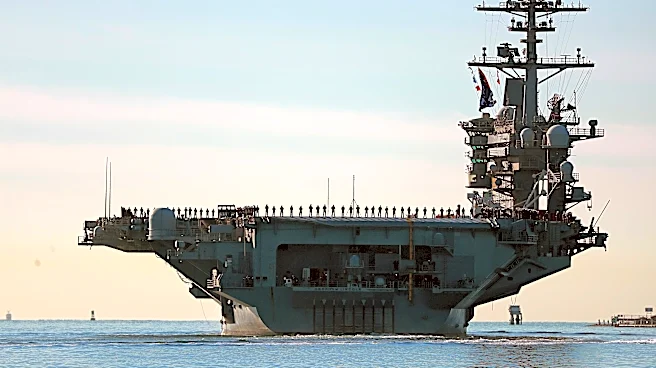
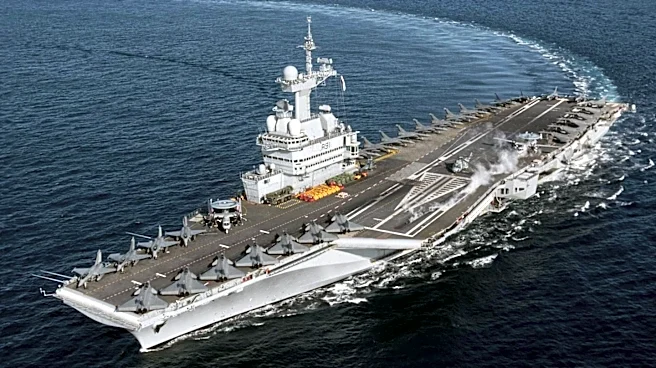
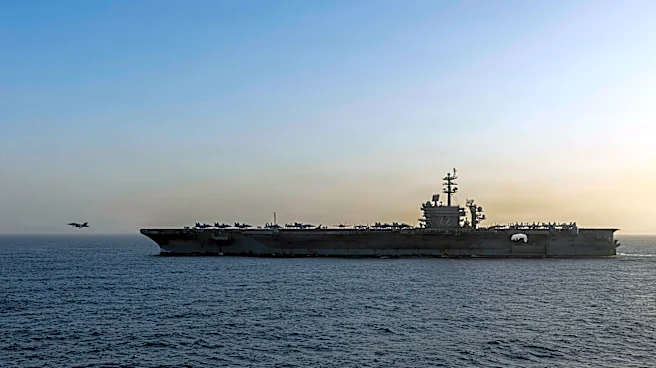
The U.S. military is reportedly planning to replace the USS Abraham Lincoln aircraft carrier in the Middle East with the USS George Washington. The USS Abraham Lincoln has been deployed for nearly nine months, primarily supporting US military operations
against Iran, and has not had a port call since December. The USS George Washington, which has been operating in the South China Sea, is scheduled to take its place. This change comes amid growing concerns from family members of the USS Abraham Lincoln's crew regarding morale and mental health due to the prolonged deployment, food shortages, and other quality-of-life issues. Media reports have highlighted incidents of sailors attempting to jump overboard. However, Navy officials and U.S. Central Command have disputed these reports, stating they have not identified an increase in suicidal ideation or attempts and that the ship maintains high reenlistment rates. They also noted that a sailor who fell overboard in August was safely recovered.
Why It's Important?
The scheduled swap of aircraft carriers in the Middle East is significant for several reasons. Firstly, it underscores the continuous operational demands placed on the US Navy to maintain a forward presence in critical geopolitical regions, particularly in the Middle East to counter Iran and in the Indo-Pacific to address China's influence. The prolonged deployment of the USS Abraham Lincoln highlights the strain on naval personnel and resources, raising concerns about crew welfare and retention. While Navy officials deny a rise in mental health issues, the reports from family members and media outlets indicate potential challenges in maintaining morale during extended, high-stress deployments. The deployment of the USS George Washington from the South China Sea to the Middle East also illustrates the US military's strategic flexibility and its ability to reallocate assets to address evolving threats, but it also means a temporary reduction in carrier presence in the Indo-Pacific, a region of increasing strategic importance.
What's Next?
The USS George Washington is expected to arrive in the Middle East to relieve the USS Abraham Lincoln, though no specific timeline has been provided. The USS Abraham Lincoln will then likely return to its homeport for maintenance and crew rest. The Navy will face continued scrutiny regarding the welfare of its deployed personnel, especially given the reports of morale issues. This could lead to internal reviews of deployment lengths, port call frequencies, and support services for sailors. Strategically, the shift of the USS George Washington from the South China Sea to the Middle East indicates a prioritization of immediate threats in the Persian Gulf, but it will also be watched by regional actors in the Indo-Pacific for any perceived shifts in US commitment or capability in that theater. The US will need to manage its global naval presence carefully to address multiple simultaneous challenges.
Beyond the Headlines
This carrier swap and the accompanying reports about crew morale shed light on the human cost of maintaining a global military presence. The mental and physical well-being of service members is crucial for operational effectiveness and long-term force readiness. Issues like prolonged deployments and quality-of-life concerns can impact recruitment, retention, and overall combat effectiveness. Beyond the immediate operational implications, this situation highlights the broader strategic challenge for the US military: balancing its global commitments with the sustainability of its forces. The ability to project power across multiple theaters depends not only on advanced hardware but also on a resilient and well-supported personnel base. The public discussion around these issues could prompt policy changes aimed at improving the quality of life for deployed service members and ensuring the long-term health of the all-volunteer force.