



What's Happening?
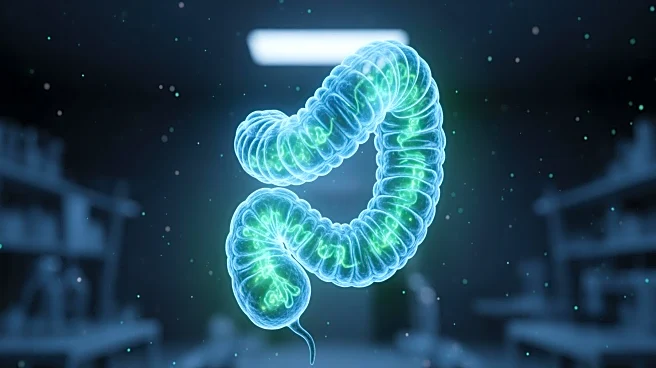
Researchers at Baylor College of Medicine have made significant progress in the cultivation of human norovirus (HuNoV) using human intestinal enteroids (HIEs), also known as 'mini-guts'. Led by Dr. Mary Estes, the team identified that the growth of norovirus in culture
often halts due to host-limiting mechanisms. By employing RNA sequencing, they discovered that infected HIEs produce high levels of chemokines, which are molecules that help the body mount an immune response. The team tested a drug called TAK 779, which blocks chemokine effects, and found that it significantly increased norovirus replication in the HIE cultures. This breakthrough allows for the generation of consistent batches of infectious virus from lab cultures, a development that has been sought after for decades. However, the drug did not enhance replication of all HuNoV strains, particularly the GII.4 strain, which is the most common cause of human outbreaks.
Why It's Important?
This advancement is crucial as it addresses a long-standing challenge in norovirus research and therapy development. Norovirus is a leading cause of acute viral gastroenteritis worldwide, affecting vulnerable populations such as young children, the elderly, and immunocompromised individuals. The ability to cultivate norovirus in the lab could accelerate the development of vaccines, antivirals, and other therapies, potentially reducing the public health burden of norovirus outbreaks. The research also highlights the importance of understanding host-virus interactions and the role of chemokines in viral replication, which could inform future studies and therapeutic strategies.
What's Next?
The research team is currently optimizing HIE culture conditions to enable efficient passaging of additional HuNoV strains, including the GII.4 strain. This ongoing work aims to develop continuous cultivation methods for various norovirus strains, which would facilitate the creation of stable viral stocks. Such stocks are essential for advancing research and development efforts, including the testing and production of vaccines and antiviral drugs. The success of these efforts could lead to more effective prevention and treatment options for norovirus infections in the future.