
What's Happening?
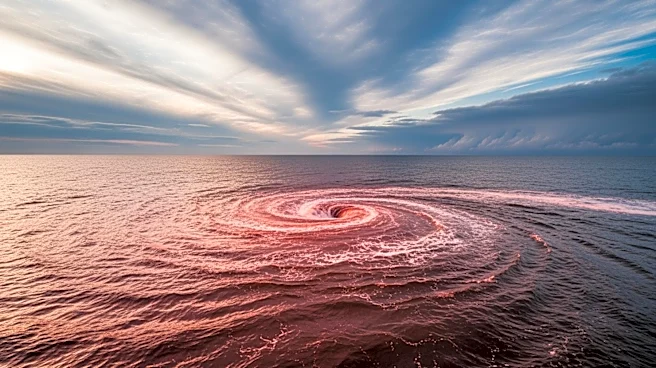
The El Niño phenomenon, characterized by the warming of Pacific Ocean waters, is expected to develop with an 80% probability by September. This climatic event, which alters global weather patterns, could
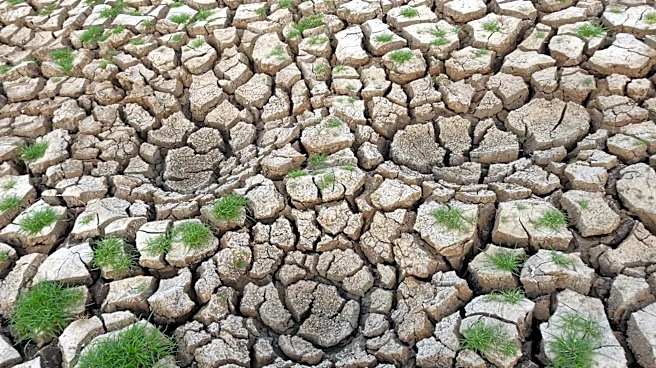
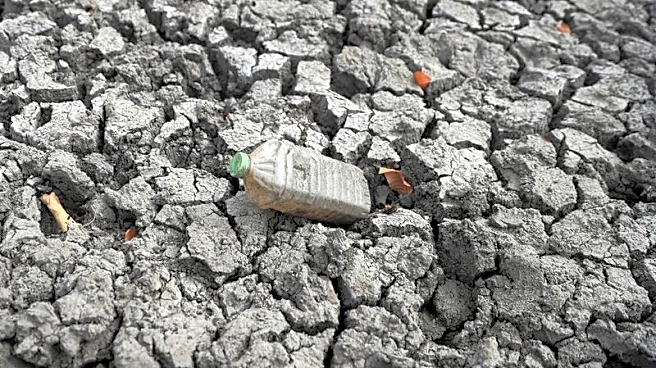
lead to significant environmental and economic impacts. Historically, El Niño events have caused severe weather conditions, including droughts in Australia and Indonesia and floods in South America. The current models suggest that the upcoming El Niño could be moderate to very strong, potentially leading to a 'super El Niño.' This development is concerning as it could exacerbate global warming effects, leading to more intense weather extremes. The phenomenon is driven by weakened trade winds that allow warm water to move eastward, affecting rainfall distribution and increasing atmospheric temperatures.
Why It's Important?
The intensification of El Niño events poses significant risks to global economies and ecosystems. In the U.S., the phenomenon could lead to increased rainfall in the Southwest, impacting agriculture and water management. The economic implications are substantial, with past super El Niños causing trillions of dollars in damages. As global temperatures rise, the effects of El Niño are expected to become more severe, leading to greater climate variability and 'climate whiplash,' where regions experience rapid shifts between extreme weather conditions. This could challenge infrastructure, agriculture, and disaster preparedness efforts, necessitating adaptive strategies to mitigate potential damages.
What's Next?
As the likelihood of a strong El Niño increases, governments and organizations may need to prepare for potential impacts. This includes enhancing weather forecasting capabilities, developing infrastructure resilience, and implementing adaptive agricultural practices. International cooperation may be required to address the broader implications of intensified El Niño events, particularly in regions prone to extreme weather. Monitoring and research will be crucial in understanding the evolving patterns of El Niño and its global effects.
Beyond the Headlines
The potential for stronger El Niño events raises ethical and environmental concerns. The increased frequency and intensity of extreme weather could disproportionately affect vulnerable communities, exacerbating social and economic inequalities. Additionally, the environmental impact on marine ecosystems, such as coral reefs, could be devastating, leading to biodiversity loss. Long-term, the intensification of El Niño could drive significant shifts in global climate patterns, necessitating a reevaluation of current climate models and mitigation strategies.