







What's Happening?
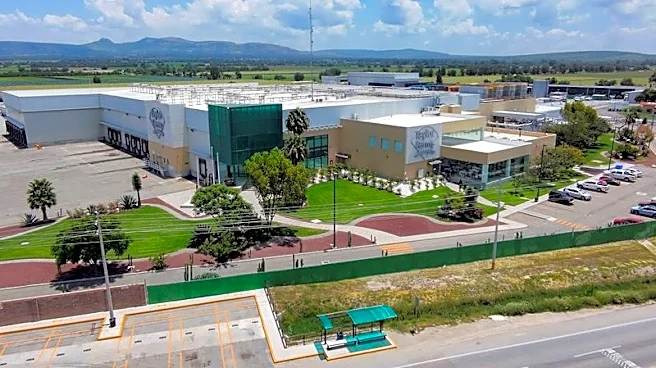
Lettuce, particularly iceberg and romaine varieties, has been frequently implicated in foodborne illness outbreaks in the United States. Recent outbreaks include a significant cyclospora outbreak linked to iceberg lettuce from Taylor Farms, affecting
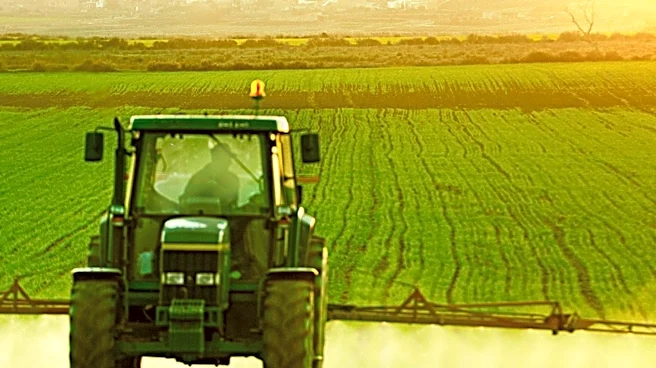
over 7,100 people in Michigan alone. Lettuce's popularity and its consumption in raw form make it a common vector for pathogens like E. coli, norovirus, and cyclospora. The texture of lettuce, with its crevices and folds, allows pathogens to hide and resist washing. Additionally, the use of untreated surface water for irrigation can introduce contaminants, further complicating food safety efforts.
Why It's Important?
The recurring association of lettuce with foodborne illnesses poses a public health challenge and highlights vulnerabilities in the food supply chain. Lettuce is a staple in American diets, and its contamination can lead to widespread health impacts. The agricultural industry faces pressure to improve safety standards and practices, such as adopting safer irrigation methods and enhancing pre-washing procedures. Consumers are advised to be vigilant about food safety, particularly with ready-to-eat salads and pre-packaged greens, which can spread contamination widely.
Beyond the Headlines
The persistent issue of lettuce-related illnesses underscores the need for systemic changes in agricultural practices and food safety regulations. Innovations in farming, such as controlled environment agriculture, could reduce contamination risks. Public awareness and education on safe food handling practices are crucial in mitigating the impact of such outbreaks. The situation also calls for enhanced collaboration between regulatory bodies, the agricultural sector, and consumers to ensure a safer food supply.