



What's Happening?
The U.S. government, through its State Department's Rewards for Justice program, has announced a reward of up to $20 million for information concerning Iran's nuclear program. This includes details on facilities, equipment, associated personnel, and the
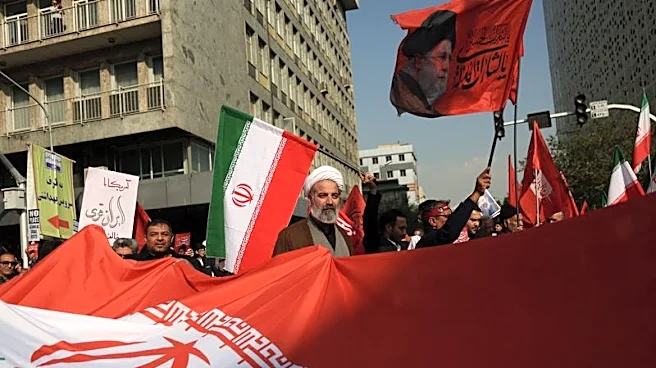
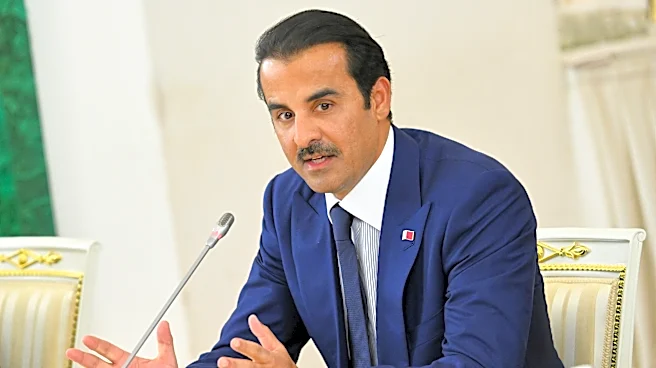
movement of any related items. The announcement comes as diplomatic efforts, mediated by Qatar, continue to address differences between the U.S. and Iran regarding Tehran's nuclear activities. Iran has consistently maintained that its nuclear program is peaceful. However, the International Atomic Energy Agency (IAEA) reported in 2025 that Iran was enriching uranium to 60% purity, a level considered a short technical step from weapons-grade uranium. The IAEA has also expressed concerns about a loss of 'continuity of knowledge' regarding Iran's production and inventory of key nuclear components due to non-compliance with safeguards obligations. The U.S. government has reiterated its commitment to preventing Iran from developing nuclear weapons.
Why It's Important?
This substantial reward underscores the U.S.'s heightened concern over Iran's nuclear program and its potential implications for regional and global security. By offering a large sum and potential relocation, the U.S. aims to incentivize individuals with critical information to come forward, potentially bypassing traditional intelligence gathering methods. The ongoing diplomatic efforts, despite the U.S. offering this reward, highlight the complex and multi-faceted approach being taken to address the issue. The IAEA's reports on Iran's uranium enrichment levels and loss of oversight are particularly significant, as they suggest a narrowing window for diplomatic solutions before Iran could potentially achieve weapons-grade capabilities. The U.S.'s commitment to preventing a nuclear-armed Iran is a cornerstone of its foreign policy in the Middle East, and any perceived advancement in Iran's program could trigger significant geopolitical shifts and increased tensions.
What's Next?
The U.S. will likely continue its diplomatic engagement with Iran, mediated by Qatar, while simultaneously maintaining pressure through initiatives like the Rewards for Justice program. The effectiveness of this reward in yielding actionable intelligence remains to be seen. Iran's response to both the reward and the ongoing diplomatic proposals will be crucial. Tehran has previously demanded concessions from the U.S., including the lifting of sanctions and unfreezing of assets, before engaging in nuclear talks. The international community, particularly the IAEA, will continue to monitor Iran's nuclear activities closely. Any further reports of increased enrichment or reduced transparency could escalate the situation, potentially leading to more stringent international measures or a breakdown in diplomatic efforts. The U.S. will also need to consider the implications of any intelligence gathered through this reward on its broader strategy towards Iran.
Beyond the Headlines
The offering of such a significant reward for information on a state's nuclear program raises questions about the ethics and efficacy of intelligence gathering in sensitive geopolitical contexts. It also highlights the increasing reliance on human intelligence and whistleblowers in an era of complex international relations. The move could be seen as an attempt to sow distrust within Iran's nuclear establishment, potentially disrupting its progress. However, it also carries risks, including the potential for misinformation or the endangerment of individuals who might come forward. The long-term implications for international non-proliferation efforts are also significant; if successful, this approach could set a precedent for addressing similar concerns with other nations. Conversely, if it fails, it might indicate the limitations of such tactics in highly controlled environments. The underlying tension between Iran's stated peaceful intentions and the international community's concerns about its nuclear capabilities will continue to be a defining feature of Middle East politics.