





What's Happening?
A recent study published in the journal Nature by scientists from Columbia University and the University of California, Berkeley, has found that microplastics can react with water to produce hydroxyl radicals. These highly reactive molecules are known
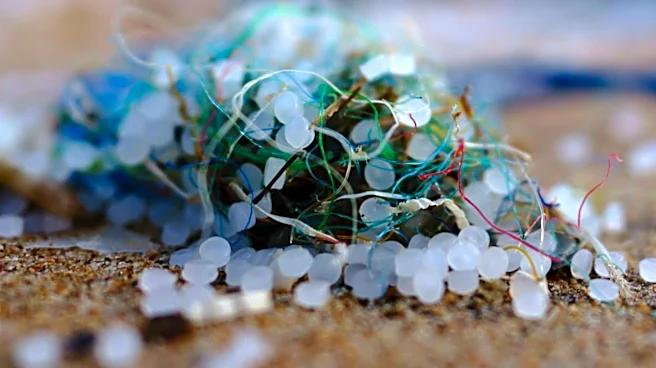
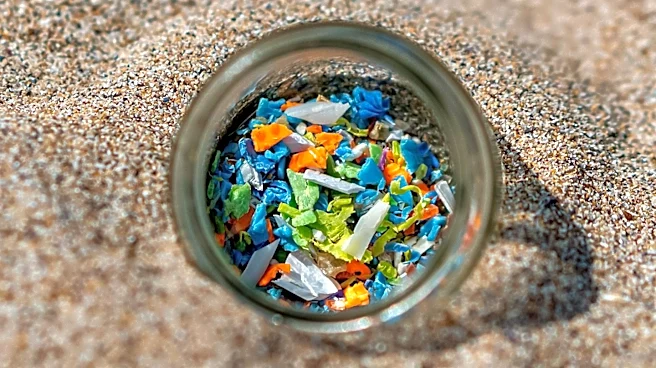
to cause damage to cells. The research tested six common types of plastics, including polystyrene, polyethylene, and polypropylene, and all were found to generate these damaging molecules when exposed to water. Polyethylene and polypropylene, often used in grocery bags and milk jugs, exhibited the highest chemical activity. This discovery challenges the long-held belief that plastic is inert. In laboratory experiments, researchers observed proteins clumping on microplastics and mouse red blood cells breaking apart after contact with the plastic particles. The study suggests that water plays an active role in this chemical reaction, rather than being a passive medium. This process could explain how microplastics, which are ubiquitous in the environment and human bodies, might be causing harm.
Why It's Important?
This research is significant because it provides a potential mechanism for how microplastics could be detrimental to human health. While the presence of microplastics in food, water, and even human organs has been widely reported, the exact ways they cause harm have been less clear. The generation of hydroxyl radicals, known cell-damagers, offers a plausible explanation for observed biological damage. This understanding could lead to a re-evaluation of plastic safety standards and encourage the development of new materials or modifications to existing plastics to reduce their harmful potential. For consumers, it underscores the growing concern about plastic exposure in daily life, from food packaging to drinking water. Industries reliant on plastic manufacturing may face increased pressure to innovate and produce safer alternatives or implement more effective recycling methods that mitigate the formation of these harmful particles.
What's Next?
The findings of this study open several avenues for future research and potential action. Scientists will likely focus on further investigating the extent to which these hydroxyl radicals impact human health at typical exposure levels. This includes more in-depth studies on various cell types and in vivo models to establish a direct link between microplastic-induced radical generation and specific diseases. From an industrial perspective, there may be increased impetus to redesign commodity plastics to reduce their capacity to generate these toxic molecules. This could involve exploring different polymer structures or additives. Public health organizations may also use this information to develop new guidelines for plastic use and disposal, potentially influencing consumer behavior and product development. The study also highlights the need for continued research into effective chemical recycling methods that do not inadvertently create more harmful byproducts or undermine waste prevention efforts.
Beyond the Headlines
The implications of this study extend beyond immediate health concerns, touching upon broader environmental and ethical considerations. The pervasive nature of microplastics means that this newly identified mechanism of harm could be contributing to widespread ecological damage, affecting aquatic life and entire ecosystems. Ethically, the findings raise questions about corporate responsibility in plastic production and the long-term consequences of materials designed for durability but now shown to have potentially harmful interactions with the environment and living organisms. Culturally, this research may further fuel the growing movement towards reducing plastic consumption and embracing more sustainable alternatives. It could also prompt a deeper societal conversation about the trade-offs between convenience and environmental/health impacts, potentially leading to significant shifts in consumer preferences and regulatory frameworks regarding plastic use and disposal.