



What's Happening?
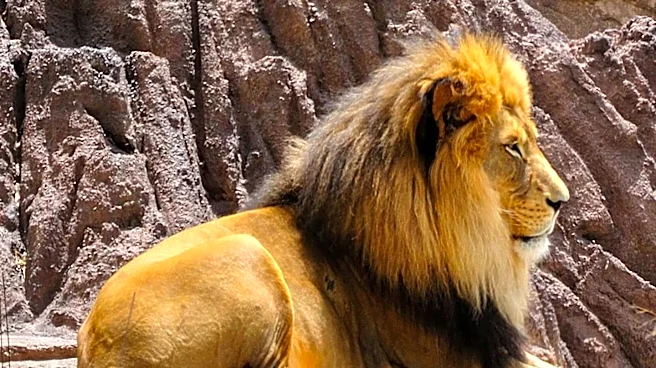
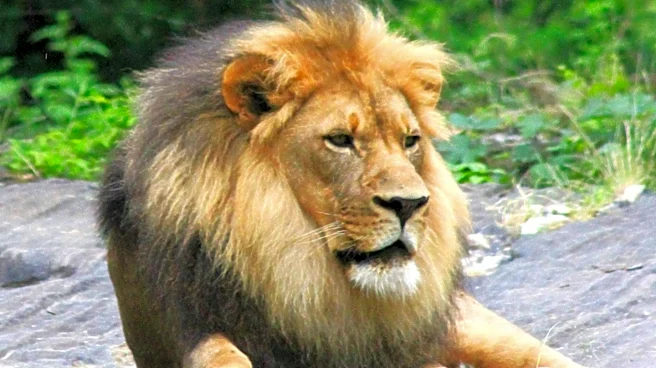
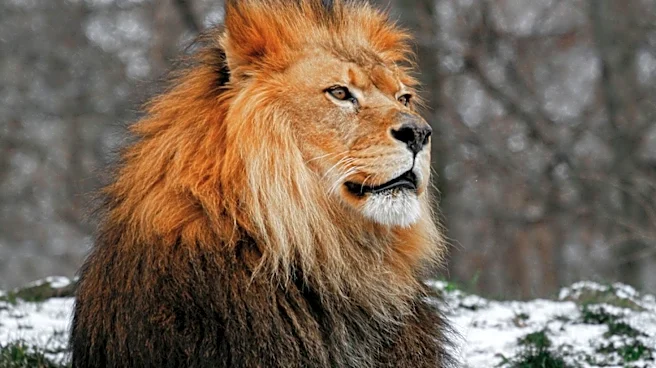
Japan is experiencing an unprecedented heatwave, with temperatures soaring above 104 degrees Fahrenheit, leading to severe consequences for both humans and animals. The Tama Zoological Park in Tokyo reported the deaths of three female lions, suspected
to be due to heat-related illnesses. The lions, named Mugi, Ichigo, and Ruena, suffered from systemic dehydration and multiple organ failure. The heatwave, described as 'kokushobi' or 'cruelly hot day' by Japan's meteorological agency, has resulted in thousands of hospitalizations and several deaths across the country. The zoo has taken measures to protect other animals, but the extreme temperatures and high humidity continue to pose significant challenges.
Why It's Important?
The extreme heat in Japan highlights the growing impact of climate change on both human and animal populations. The introduction of the term 'kokushobi' underscores the severity of the situation, as traditional measures to combat heat are proving insufficient. The deaths of the lions at the zoo serve as a stark reminder of the vulnerability of animals in captivity to climate extremes. This situation calls for urgent action to address climate change and implement effective strategies to protect both human and animal life from its adverse effects.
What's Next?
In response to the ongoing heatwave, Japan's Environment Ministry has issued heatstroke alerts and is likely to implement additional measures to safeguard public health. Zoos and other facilities housing animals may need to adopt more robust cooling systems and protective measures to prevent further casualties. The situation may also prompt a reevaluation of current climate policies and accelerate efforts to mitigate the effects of global warming. International cooperation and innovation in climate adaptation strategies will be crucial in addressing these challenges.