
What's Happening?
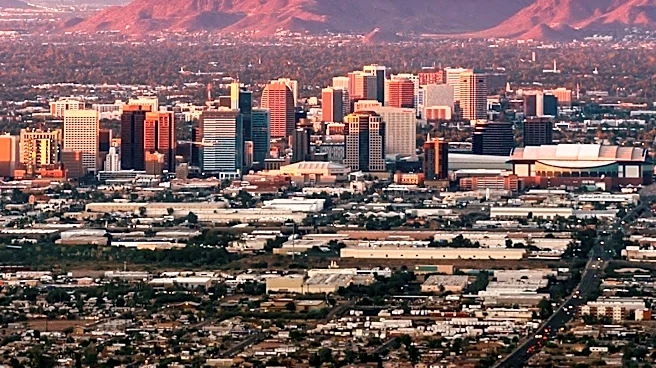
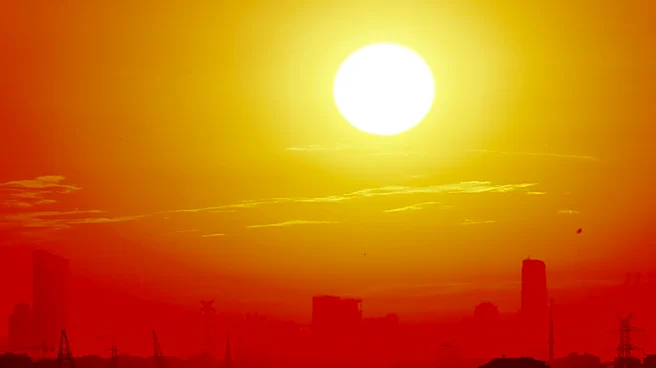
Phoenix, Arizona, is experiencing a record-breaking heat wave, with temperatures reaching 117 degrees, surpassing previous records. The city also recorded an overnight low of 97 degrees, tying the warmest
low ever recorded. This extreme heat is attributed to a high-pressure system over the region, which is expected to persist, keeping temperatures elevated. The National Weather Service has issued extreme heat warnings, advising residents to take precautions to avoid heat-related illnesses.
Why It's Important?
The ongoing heat wave in Phoenix highlights the challenges posed by extreme weather conditions, particularly in urban areas. The record temperatures strain local infrastructure, increase energy demand, and pose significant health risks. This situation underscores the need for urban planning and public health strategies to mitigate the effects of extreme heat. The broader implications include potential impacts on water resources, agriculture, and the local economy, as well as the need for policies addressing climate adaptation.
What's Next?
With the heat wave expected to continue, local authorities are likely to maintain heat advisories and provide resources to help residents cope. Long-term, there may be increased focus on developing heat-resilient infrastructure and promoting sustainable energy solutions. The situation could also prompt discussions on climate change mitigation and adaptation strategies at the state and national levels.