






What's Happening?
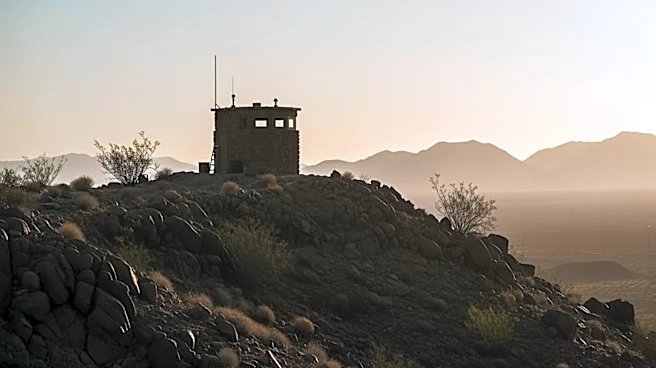
Israeli Defense Forces (IDF) have recaptured Beaufort Castle, a site of historical and symbolic significance, 26 years after Israel's withdrawal from Lebanon. The event has been marked by a media celebration, with Prime Minister Benjamin Netanyahu emphasizing
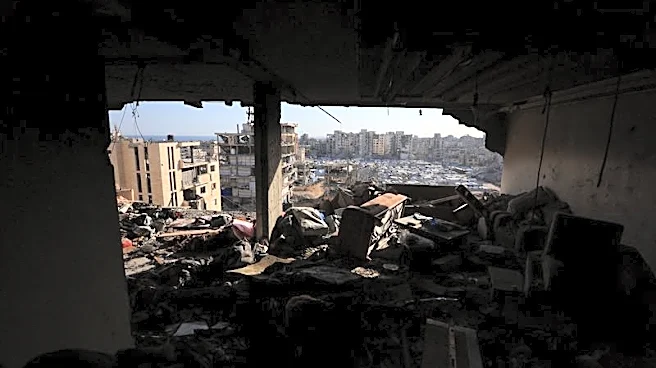
the symbolic victory and unity it represents. The capture coincides with a change-of-command ceremony for the Golani Brigade at the site. The recapture has reignited discussions about the historical and ongoing military presence in Lebanon, a region fraught with past conflicts and losses. The site, known for its strategic importance, has been a focal point of Israeli military operations since the 1982 Lebanon War. The return to Beaufort is seen by some as a tactical necessity, though it also revives memories of past entanglements in Lebanon, which have been costly in terms of both lives and political capital.
Why It's Important?
The recapture of Beaufort Castle is significant as it underscores the enduring complexities of Israeli military strategy in Lebanon. The site is emblematic of past military engagements and the ongoing challenges Israel faces in securing its northern borders. The event highlights the persistent tensions in the region and the symbolic weight such sites carry in Israeli national consciousness. The return to Beaufort is not just a military maneuver but a reflection of the broader geopolitical dynamics at play, including Israel's relationship with Lebanon and the influence of external actors like the United States. The move may bolster national pride and serve as a rallying point for public support, yet it also risks reopening old wounds and debates about the efficacy and morality of prolonged military engagements in Lebanon.
What's Next?
The recapture of Beaufort Castle may lead to increased military activity in the region as Israel seeks to consolidate its position. The move could provoke reactions from Lebanese factions and potentially escalate tensions along the border. Domestically, the Israeli government may use this event to strengthen its narrative of security and resilience, possibly influencing public opinion and policy decisions. Internationally, the situation may attract scrutiny from global powers concerned with Middle Eastern stability. The IDF's continued presence in Lebanon will likely remain a contentious issue, with potential implications for Israel's diplomatic relations and internal political discourse.
Beyond the Headlines
The recapture of Beaufort Castle serves as a poignant reminder of the cyclical nature of conflict in the region. It highlights the deep-seated historical grievances and the challenges of achieving lasting peace. The event also raises questions about the role of symbolism in military strategy and national identity. The cultural and emotional resonance of sites like Beaufort underscores the complex interplay between memory, identity, and policy in shaping national narratives. As Israel navigates its future in the region, the lessons of past conflicts will continue to inform its strategic decisions and societal reflections.