



What's Happening?
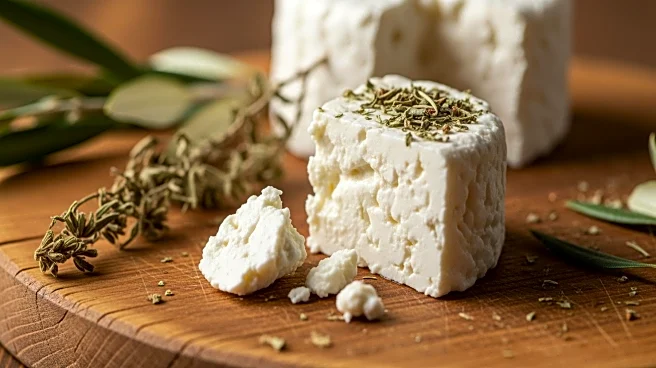
A shortage of feta cheese originating from Greece is beginning to affect various culinary establishments in the United States. The shortage is attributed to a pandemic affecting sheep, which are the primary source of milk for authentic Greek feta. This
has led to a reduced supply of the cheese, which is a staple in many dishes. Sarah Schneider, co-owner of Gus and Marty's in Williamsburg, highlights the importance of maintaining the integrity of traditional feta in their menu, which features several feta-heavy dishes. The shortage is also impacting the cocktail scene, with establishments like Mr. Mello experiencing difficulties in sourcing their preferred brand of feta brine for their signature martinis. Despite these challenges, businesses are committed to preserving the quality of their offerings, even if it means sourcing feta directly from Greece.
Why It's Important?
The feta cheese shortage underscores the interconnectedness of global supply chains and their impact on local businesses. For U.S. restaurants and bars that rely on authentic Greek feta, the shortage presents a significant challenge in maintaining menu integrity and customer satisfaction. This situation highlights the vulnerability of specialty food items to disruptions in their country of origin. The shortage could lead to increased costs for businesses that choose to import feta directly from Greece, potentially affecting pricing for consumers. Additionally, the shortage may prompt a shift towards alternative cheeses, which could alter traditional recipes and dining experiences.
What's Next?
As the shortage continues, U.S. businesses may need to explore alternative sources or substitutes for feta cheese to meet demand. This could involve sourcing from other countries or experimenting with different types of cheese that offer similar nutritional benefits. The situation may also prompt discussions within the culinary industry about the importance of ingredient authenticity versus adaptability in the face of supply chain disruptions. Monitoring the situation closely, businesses will need to balance maintaining traditional flavors with the practicalities of ingredient availability.