

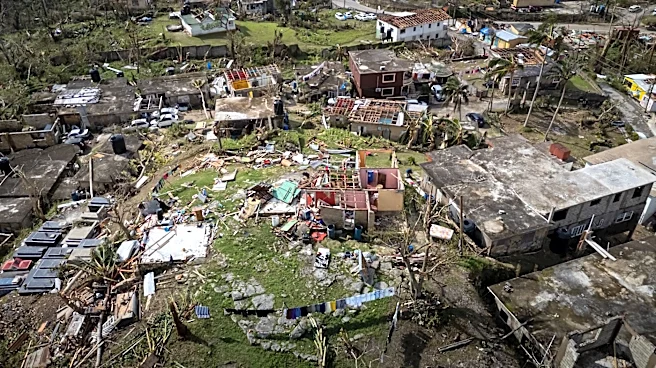
What's Happening?
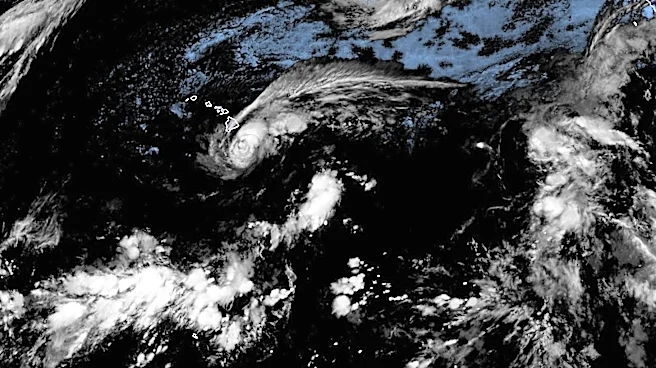
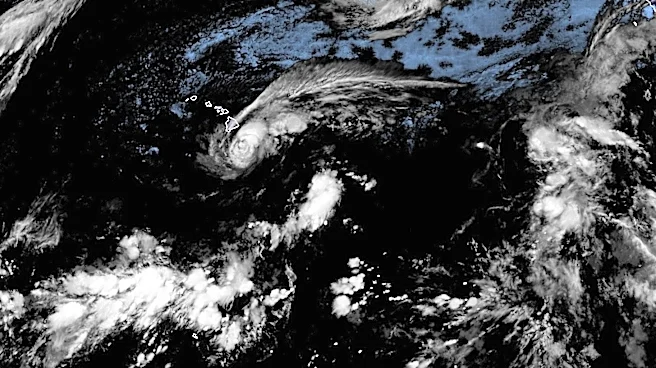
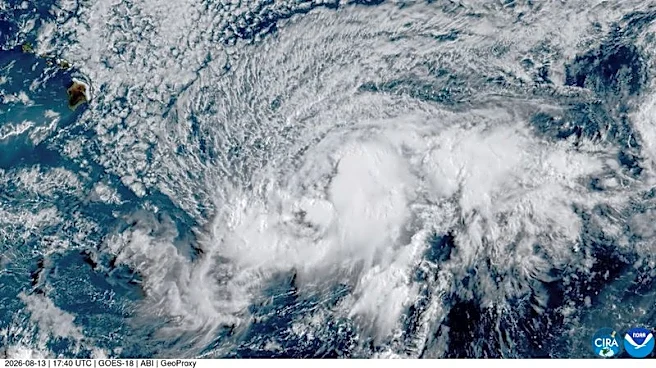
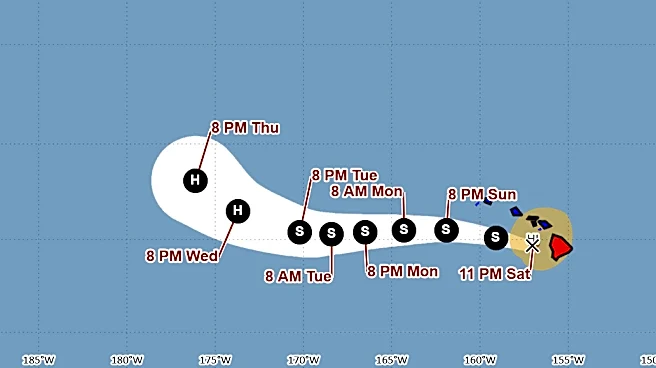
Hurricane Lala, now a Category 1 hurricane with maximum sustained winds of 75 mph, is making a close approach to Hawaii Island, specifically nearing South Point. The Central Pacific Hurricane Center (CPHC) upgraded Lala from a tropical storm, noting that
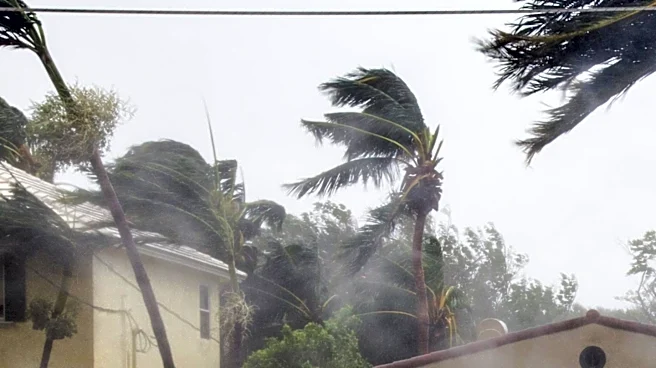
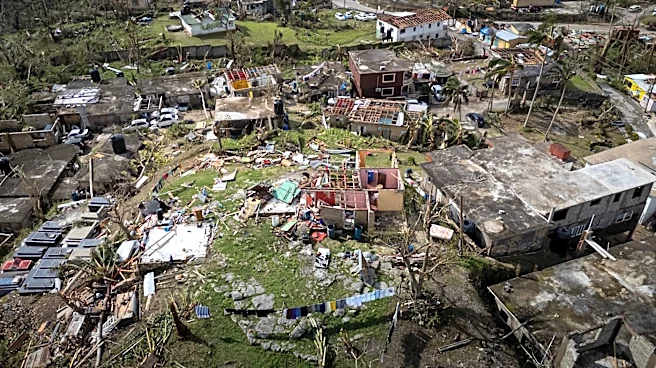
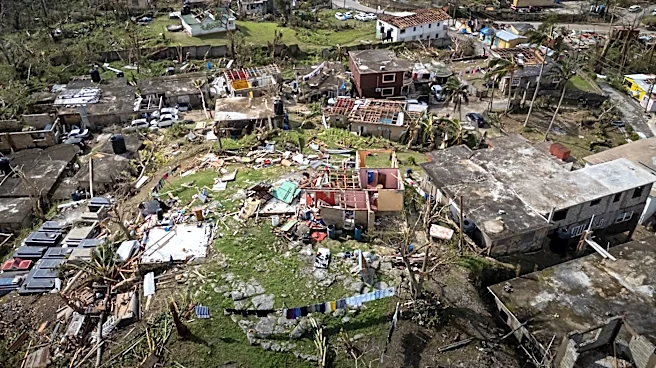
its center may be pulled into or near the Big Island. Heavy rain bands from Lala are extensively covering Hawaii Island, prompting the National Weather Service to extend flash flood warnings until 7 p.m. local time. Rainfall rates are reported between 1 to 2.5 inches per hour, with forecasts predicting 15 to 20 inches across windward Big Island areas, and isolated totals potentially exceeding 30 inches. Wind gusts near 80 mph have been recorded, leading to widespread power outages affecting over 23,000 Hawaiian Electric customers and numerous road closures due to downed trees, debris, and flooding. Mayor Kimo Alameda has urged residents and visitors to seek safe shelter and avoid roadways due to life-threatening conditions.
Why It's Important?
The approach of Hurricane Lala represents a critical natural disaster threat to Hawaii, with the potential for it to be the first hurricane to make direct landfall on Hawaii Island in over 150 years. The severe weather conditions, including life-threatening flooding, mudslides, damaging hurricane-force winds, and dangerous high surf, pose immediate and significant risks to public safety, infrastructure, and the environment. The widespread power outages and extensive road closures are severely disrupting daily life, emergency services, and local commerce. This event highlights the extreme vulnerability of island communities to powerful tropical cyclones and underscores the critical importance of robust emergency preparedness, effective communication, and rapid response mechanisms to mitigate the human and economic impact of such natural phenomena. The potential for long-term damage to homes, agriculture, and tourism could have substantial economic repercussions for the state.
What's Next?
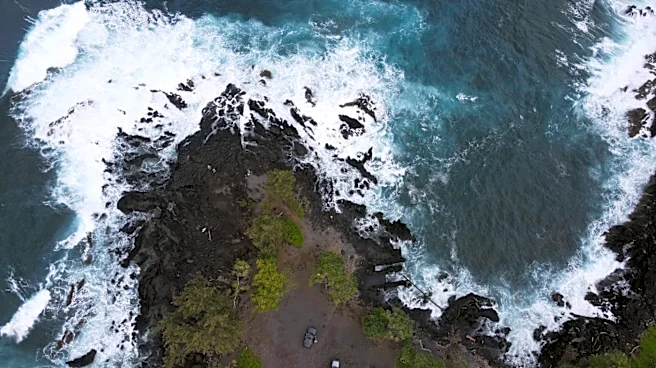
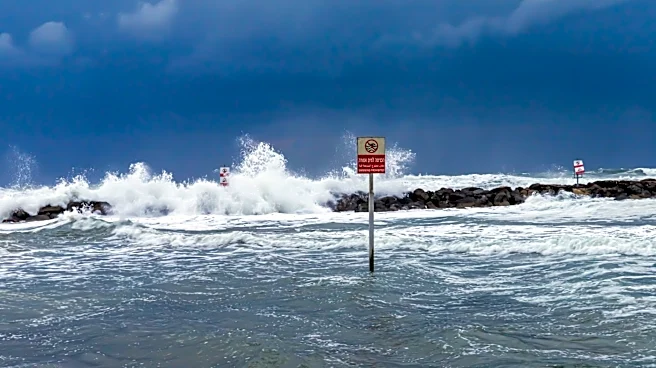
The peak impacts of Hurricane Lala are expected to continue throughout the afternoon and evening on Hawaii Island, with residents advised to remain in shelters. After its interaction with the Big Island, Lala is projected to weaken significantly and shift westward, moving south of the remaining Hawaiian islands. Tropical storm conditions are anticipated to affect Maui County tonight and Sunday, with Oahu and Kauai County experiencing similar conditions by Sunday morning. Emergency crews are actively working to clear debris and restore power, though Hawaiian Electric has warned that outages could persist for days. The city of Honolulu has activated a non-emergency call center to provide storm-related information and assistance. The entire state remains under a flood watch, and high surf warnings are in effect for the Big Island, Maui, Molokai, and Oahu, indicating ongoing hazardous conditions across the archipelago, requiring continued vigilance from residents.
Beyond the Headlines
The potential direct impact of Hurricane Lala on Hawaii Island brings into sharp focus the broader implications of climate change and the increasing threat of extreme weather events to vulnerable coastal and island regions. The historical context, noting that this could be the first direct hurricane hit on Hawaii Island in over a century and a half, underscores the rarity and severity of the current situation. This event will likely trigger extensive discussions on climate resilience, the need for enhanced infrastructure to withstand more powerful storms, and the adequacy of current emergency preparedness and response strategies. The long-term recovery efforts, potential economic disruptions to tourism and agriculture, and the psychological toll on affected communities will also be significant, prompting a re-evaluation of long-term adaptation strategies for Hawaii in the face of evolving climate risks and the need for sustainable development.