







What's Happening?
War Secretary Pete Hegseth has initiated a mandatory testosterone-deficiency screening for active-duty and reserve military personnel aged 30 and older. This move aims to optimize performance and address 'Operator Syndrome' by ensuring that service members
maintain optimal testosterone levels. The screening will be part of periodic health assessments, with voluntary testosterone replacement therapy (TRT) available for those diagnosed with deficiencies. The initiative has sparked a national conversation about testosterone levels and their impact on health and performance, with experts weighing in on the benefits and risks of TRT.
Why It's Important?
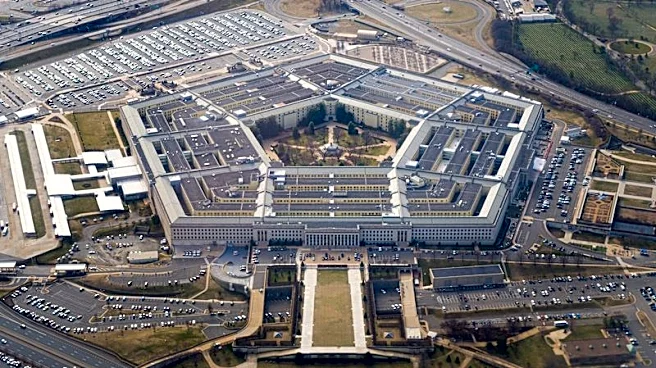
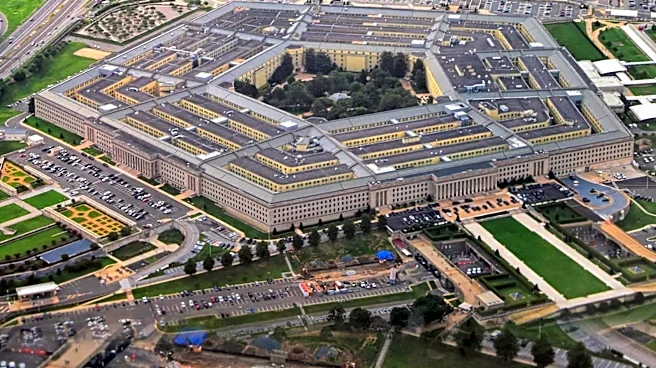
The Pentagon's decision to implement testosterone screening highlights the growing recognition of hormonal health as a critical factor in military readiness and performance. By addressing testosterone deficiencies, the military aims to enhance the physical and mental capabilities of its personnel, potentially improving mission outcomes. This initiative may set a precedent for other organizations to consider hormonal health as part of their wellness programs. However, it also raises questions about the ethical implications of mandatory health screenings and the potential for over-reliance on hormone therapy in managing performance-related issues.