







What's Happening?
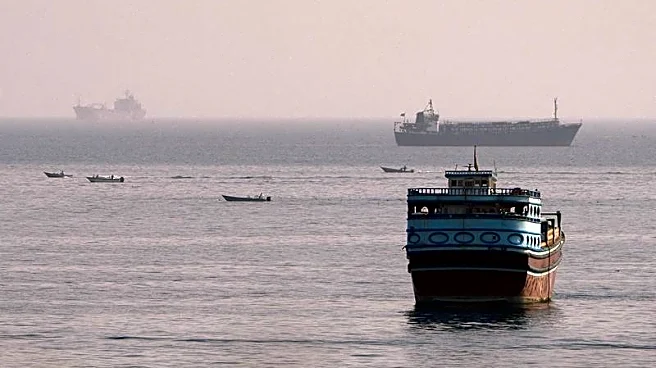
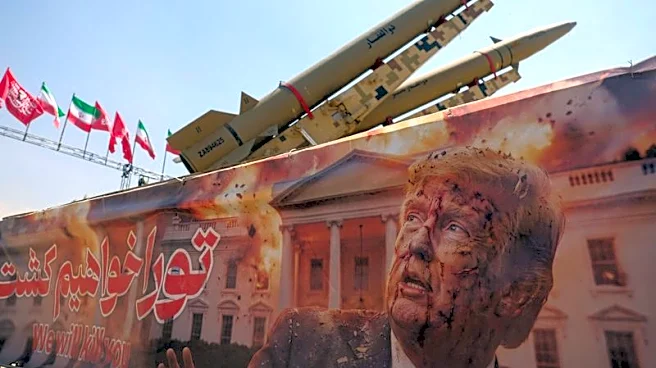
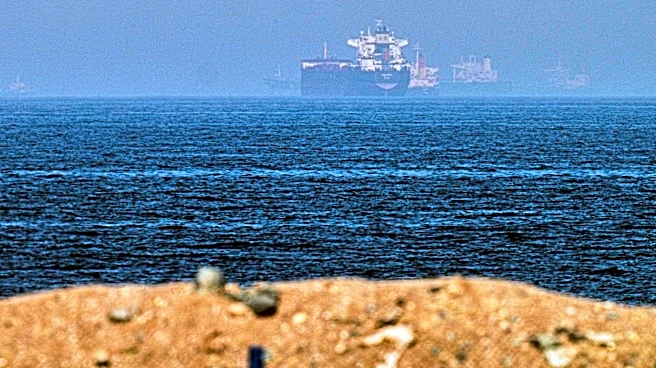
Iran is negotiating a deal with Oman to control inbound traffic through the Strait of Hormuz, a critical chokepoint for global energy and fertilizer supplies. This move comes amid ongoing geopolitical tensions involving the U.S., Israel, and Iran, which
have largely blocked the strait since February. The proposed plan would allow Iran operational control over vessels entering the Gulf, with shared oversight of outbound traffic. Despite talks of reopening, the arrangement is expected to maintain elevated risks for freight, insurance, and commodity prices. The strait's partial closure has already disrupted crude oil, LNG, and fertilizer flows, affecting global markets.
Why It's Important?
The Strait of Hormuz is a vital corridor for global energy supplies, with about one-fifth of the world's crude oil passing through it. Iran's control over the strait could lead to sustained high prices and volatility in oil, LNG, and fertilizers, impacting global markets. Import-dependent regions like South and East Asia, and Europe, face increased competition for resources, while non-Gulf exporters might benefit from diversifying supply routes. The geopolitical dynamics around the strait could lead to prolonged supply chain disruptions and increased costs for global industries reliant on Gulf-origin commodities.
What's Next?
The ongoing negotiations between Iran and Oman could lead to a partial reopening of the strait, but full normalization of traffic and pricing is unlikely in the near term. Market participants will closely watch the implementation details of the agreement, including Iran's control over inbound traffic and the security of the outbound corridor. Any incidents involving commercial shipping could quickly reverse market sentiment, leading to spikes in freight rates and insurance premiums. A stable transit regime with international monitoring could gradually reduce risk spreads, but geopolitical tensions suggest that the strait will remain a high-risk area.