





What's Happening?
The U.S. Fish & Wildlife Service emphasizes 'diversity' as a key characteristic of hunting experiences at Lacreek National Wildlife Refuge. The refuge offers over 11,000 acres of varied habitats, allowing hunters to pursue up to 18 different species.
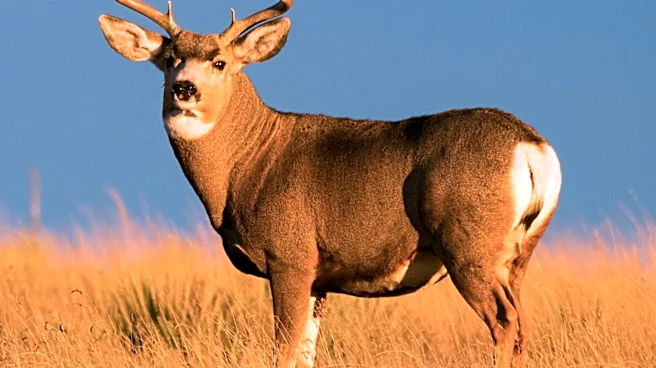
Wing shooters can explore wetland edges for pheasants and Sandhill ranges for sharp-tailed grouse and prairie chickens, with the option of using pointing or flushing dogs. Deer hunters can target white-tailed deer and mule deer from tree stands or by spot-and-stalk methods from Sandhill peaks. Archery deer hunters require a state archery license, while muzzleloader deer hunters need a specific refuge permit. Youth, apprentice, and mentor license holders are also welcome. Additionally, predator hunters can pursue red fox, coyote, bobcat, and mountain lion from January 1 to February 15, finding the Sandhills a unique challenge. Waterfowling is also prominent, with over 5,000 acres available on Pool 10, spring-fed pools, and a four-mile stretch of Lake Creek.
Why It's Important?
The diverse hunting opportunities at Lacreek National Wildlife Refuge are significant for U.S. conservation efforts and recreational activities. By providing a wide range of hunting options, the U.S. Fish & Wildlife Service supports wildlife management goals, including population control and habitat preservation. This approach helps maintain ecological balance and ensures the long-term health of various species. Economically, hunting contributes to local economies through license sales, equipment purchases, and related tourism, benefiting rural communities. Socially, it offers recreational opportunities for a broad demographic, including youth and mentors, fostering outdoor engagement and traditional practices. The refuge's commitment to diversity in hunting underscores a comprehensive strategy for managing natural resources while providing valuable public access to outdoor recreation.
What's Next?
Hunters interested in Lacreek National Wildlife Refuge should contact the refuge office for the latest information on road conditions and access. This ongoing communication ensures hunters are well-informed about current regulations and environmental factors. The U.S. Fish & Wildlife Service will continue to manage the refuge's diverse habitats to support various species and hunting seasons. Future plans will likely involve continued monitoring of wildlife populations, habitat restoration projects, and community engagement to ensure sustainable hunting practices. The refuge's commitment to accommodating different hunting styles and license holders suggests a continued effort to make these opportunities accessible to a wide range of participants, further solidifying its role in U.S. conservation and recreation.
Beyond the Headlines
The emphasis on 'diversity' in hunting at Lacreek National Wildlife Refuge reflects a broader philosophical approach to wildlife management in the U.S. It highlights the balance between conservation, recreation, and economic impact. This model acknowledges that regulated hunting can be a vital tool for managing ecosystems and generating funds for conservation initiatives. The inclusion of youth, apprentice, and mentor license holders also points to the cultural significance of hunting as a tradition passed down through generations, fostering an appreciation for nature and responsible outdoor ethics. This comprehensive approach ensures that wildlife resources are managed sustainably, providing benefits for both the environment and the public, and contributing to the ongoing dialogue about the role of hunting in modern society.