






What's Happening?
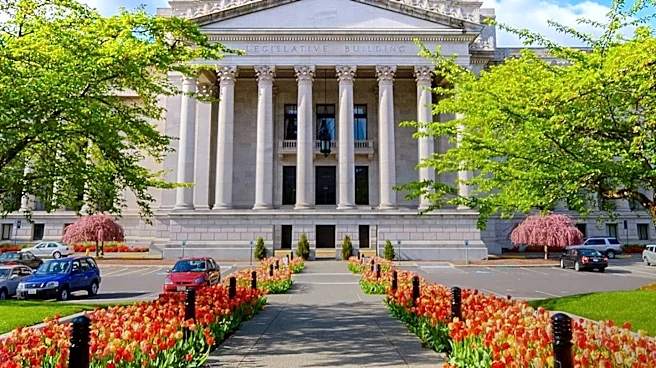
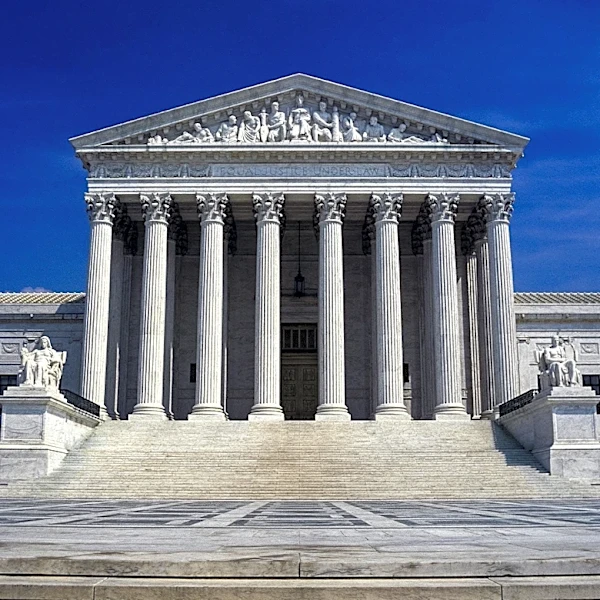
In Washington, early voting has commenced for a state Supreme Court race featuring 16 candidates vying for five seats. The race has already seen a significant influx of campaign contributions, totaling nearly $2.1 million, with $736,000 spent and $1.4
million in cash on hand. This level of financial activity surpasses previous Supreme Court election years, with the potential to break the 2016 record of $2.79 million spent. The election is gaining attention due to a pending lawsuit challenging a new state income tax, which is expected to reach the Supreme Court. The tax, aimed at high earners, is controversial, with opponents fearing it could lead to a broader progressive income tax. Voters will have the chance to repeal the tax in a November ballot initiative. The primary election on August 4 will narrow the field to the top two candidates for each position, who will then advance to the general election in November.
Why It's Important?
The Washington state Supreme Court race is pivotal due to its potential impact on the state's fiscal policy, particularly concerning the new income tax. The outcome could influence the legal standing of the tax, affecting high earners and potentially setting a precedent for broader tax reforms. The significant campaign contributions highlight the high stakes and the interest of various stakeholders in shaping the court's composition. The election's outcome could also reflect broader political dynamics in Washington, as the court's decisions may influence state policy on taxation and economic equity. The race underscores the importance of judicial elections in shaping public policy and the role of campaign financing in judicial independence.
What's Next?
Following the primary election on August 4, the top two candidates for each position will advance to the general election on November 3. The results will determine the composition of the state Supreme Court, which will play a crucial role in the upcoming legal challenge to the state income tax. Stakeholders, including political leaders and advocacy groups, are likely to intensify their efforts to influence the election outcome. The court's decision on the income tax could have long-term implications for Washington's fiscal policy and economic landscape. Voter engagement and turnout will be critical in determining the election's impact.