




What's Happening?
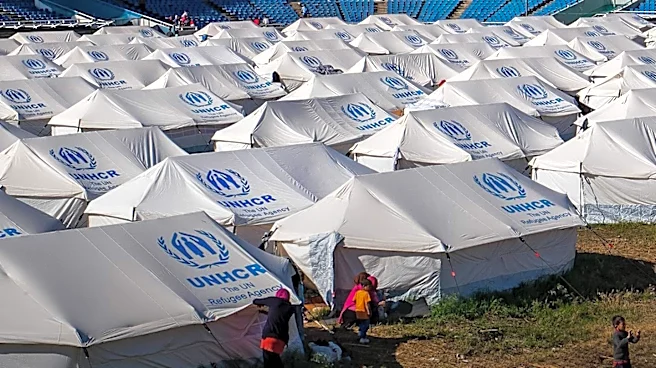
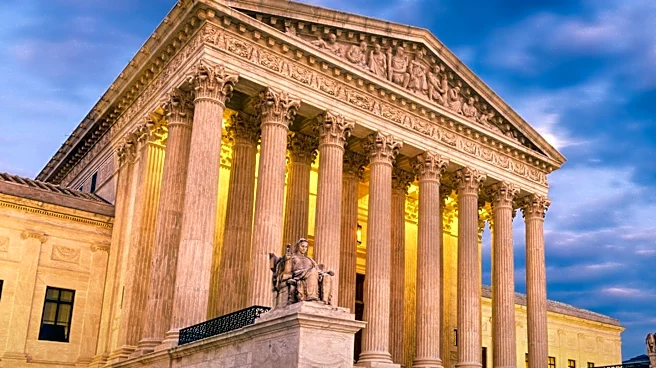
The current U.S. Supreme Court has shown increasing hostility towards international human rights protections, diverging from established international law. This trend is evident in cases where the court has disregarded international consensus, such as the Vienna
Convention on Consular Relations and the 1967 Refugee Convention. The court's decisions reflect a pattern of prioritizing domestic interpretations over international norms, raising questions about the U.S.'s commitment to global legal standards.
Why It's Important?
The Supreme Court's approach to international law has significant implications for the U.S.'s global standing and its adherence to international treaties. By rejecting international consensus, the court risks isolating the U.S. from the global community and undermining its credibility in international relations. This stance could affect diplomatic relations and the country's ability to influence global human rights policies. The court's decisions also highlight a broader trend of American exceptionalism, which may impact the U.S.'s role in international law and governance.