




What's Happening?
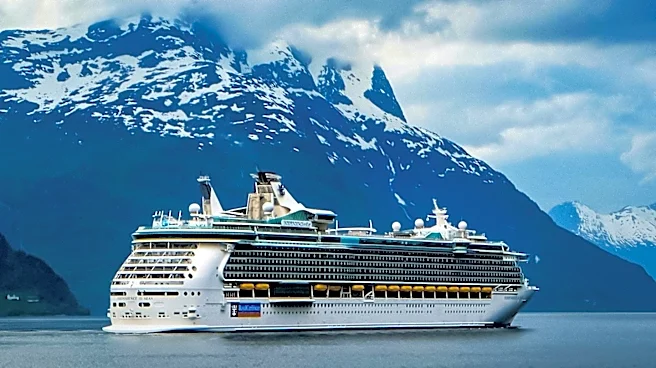
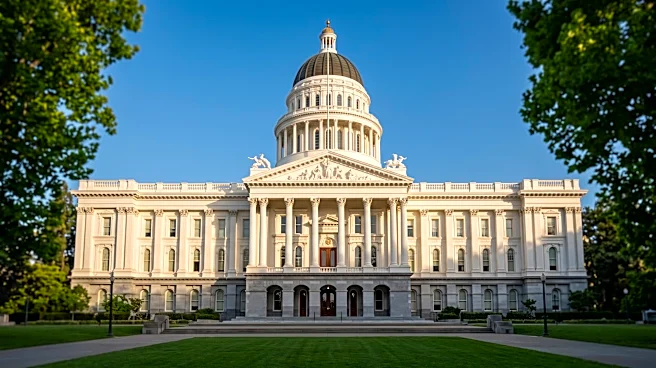
Juneau lawmakers are currently considering an ordinance that would legally cap the number of cruise ships allowed to port in the city each day at five. This proposed legislation aims to formalize an existing voluntary agreement with cruise ship companies.
Residents are actively pushing for this more formal rule, indicating a desire for stricter control over cruise ship traffic. However, the potential ordinance could become the subject of lawsuits, suggesting anticipated opposition from industry stakeholders. The Assembly has temporarily delayed the vote on this ordinance, allowing for further consideration and potentially more public input or negotiation.
Why It's Important?
This initiative in Juneau is significant for several reasons, impacting both the local economy and environmental policy. While cruise tourism is a major economic driver for many Alaskan communities, including Juneau, an uncontrolled influx of large ships can lead to environmental degradation, strain on local infrastructure, and a diminished quality of life for residents. Capping the number of ships could help mitigate these negative impacts, preserving the natural beauty and ecological balance of the region, which is crucial for long-term tourism sustainability. However, such a cap could also face strong opposition from the cruise industry, potentially leading to economic disputes and legal challenges. The outcome will set a precedent for how other popular cruise destinations might manage the balance between tourism revenue and environmental/community well-being.
What's Next?
The Juneau Assembly's delayed vote indicates that further discussions and possibly revisions to the proposed ordinance are likely. Stakeholders, including cruise line representatives, local businesses, environmental groups, and residents, will likely engage in more dialogue and lobbying efforts. The potential for lawsuits suggests that if the ordinance passes, it could face legal challenges from the cruise industry, which would then move the decision to the courts. The Assembly will need to weigh the economic benefits of cruise tourism against the environmental and social costs, considering the long-term sustainability of Juneau as a tourist destination and a place to live. The final decision will have significant implications for Juneau's future development and its relationship with the tourism industry.
Beyond the Headlines
Beyond the immediate economic and environmental considerations, Juneau's debate over cruise ship limits touches upon broader themes of local autonomy versus global industry influence. It highlights the tension between preserving local character and natural resources and capitalizing on the economic opportunities presented by mass tourism. Ethically, it raises questions about the responsibility of large corporations to local communities and environments, and the right of residents to determine the scale and nature of development in their hometowns. Culturally, an uncontrolled influx of tourists can impact the unique identity and traditions of a place. This situation in Juneau serves as a microcosm for similar struggles faced by popular tourist destinations worldwide, prompting discussions about sustainable tourism models and the need for policies that prioritize community well-being alongside economic growth.