






What's Happening?
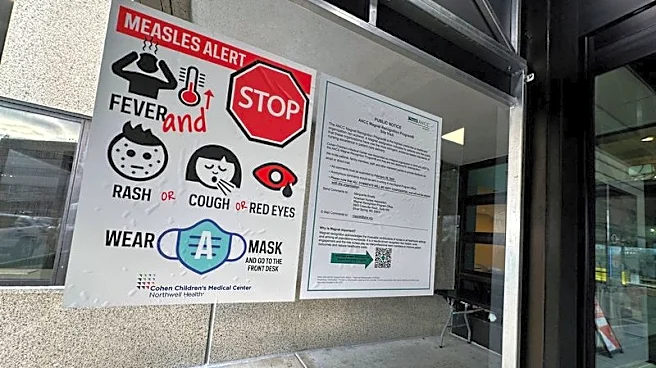
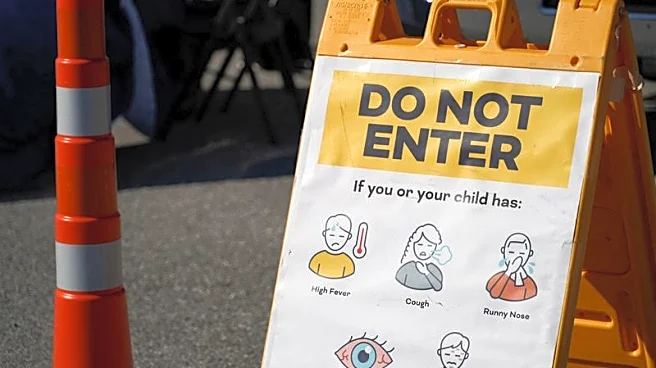
Pennsylvania is experiencing a measles outbreak where adults account for two-thirds of the cases, a situation described as 'quite unusual' by medical experts. Dr. William Moss, a professor at Johns Hopkins Bloomberg School of Public Health, notes that
this predominance of adult infections is atypical for measles outbreaks. The conditions in certain Pennsylvania communities, particularly Plain communities like the Amish and Mennonites, have created an environment conducive for the virus to spread among adults. These communities have historically maintained low vaccination rates, but were previously protected by high herd immunity in the broader population. For the past 25 years, limited exposure to wild-type measles meant infectious individuals rarely entered these communities. However, this long-standing vaccine hesitancy, which predates the COVID-19 pandemic, has led to generations of unvaccinated individuals. Lancaster County alone accounts for 504 of the state's measles infections, significantly more than any other county. While Plain communities have lower vaccination rates, officials believe that vaccine hesitancy extends beyond these groups, contributing to the overall outbreak.
Why It's Important?
This measles outbreak highlights the critical impact of sustained vaccine hesitancy on public health, particularly when herd immunity wanes. The unusual demographic of adult infections in Pennsylvania underscores a vulnerability that has developed over decades due to declining vaccination rates. This situation demonstrates that communities with historically low vaccination coverage, even if previously shielded by broader population immunity, become susceptible once the virus is introduced. The outbreak also raises concerns about potential immune amnesia in adults, a phenomenon where measles infection can erase immune memory of past infections, potentially increasing susceptibility to secondary bacterial or other infections. The long-term nature of vaccine hesitancy, as observed in this outbreak, indicates a deeply rooted public health challenge that requires sustained efforts to address. The high number of cases in Lancaster County suggests that localized pockets of low vaccination can quickly become epicenters for disease transmission, posing risks to both vaccinated and unvaccinated individuals.
What's Next?
The immediate focus will likely be on containing the spread of measles within affected communities and increasing vaccination rates. Public health officials may intensify efforts to educate residents about the importance of the MMR vaccine and address the underlying reasons for vaccine hesitancy. Given the long-standing nature of these beliefs, a multi-faceted approach involving community leaders and tailored communication strategies will be crucial. There is a concern that the outbreak will only cease once herd immunity is achieved, either through widespread vaccination or natural infection, with experts suggesting a 95% immunity threshold. Researchers will also likely monitor the long-term health outcomes of infected adults to determine if they experience immune suppression similar to children, which could lead to increased risks of secondary infections. The situation may prompt broader discussions on public health policies aimed at improving vaccination coverage in communities with historically low rates.
Beyond the Headlines
The Pennsylvania measles outbreak among adults reveals deeper societal implications regarding trust in public health institutions and the intergenerational transmission of health beliefs. The fact that vaccine hesitancy in these communities predates recent events like the COVID-19 pandemic suggests a cultural or ideological resistance that is deeply embedded. This scenario challenges the assumption that herd immunity from the general population will indefinitely protect isolated, under-vaccinated groups. It underscores the fragility of public health protections when vaccination rates decline over extended periods. The outbreak also brings to light the ethical considerations of individual health choices impacting community well-being, particularly when those choices lead to the resurgence of preventable diseases. Understanding the specific drivers of vaccine hesitancy in these communities, beyond general anti-vaccine sentiment, will be crucial for developing effective public health interventions that respect cultural contexts while promoting scientific consensus.