



What's Happening?
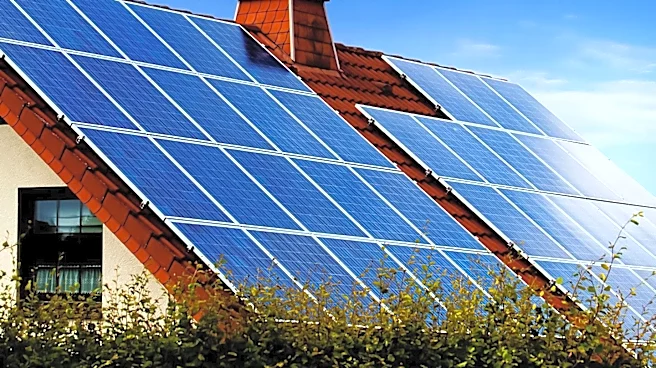
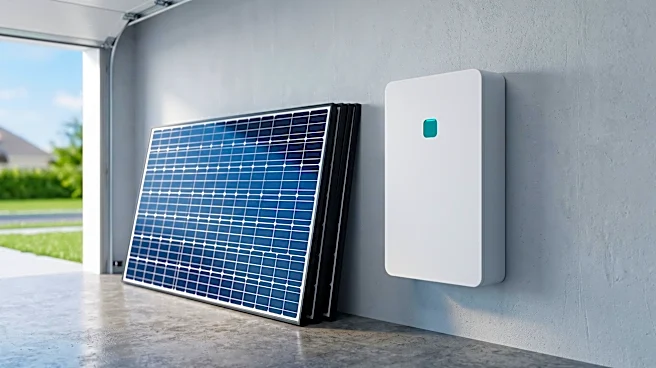
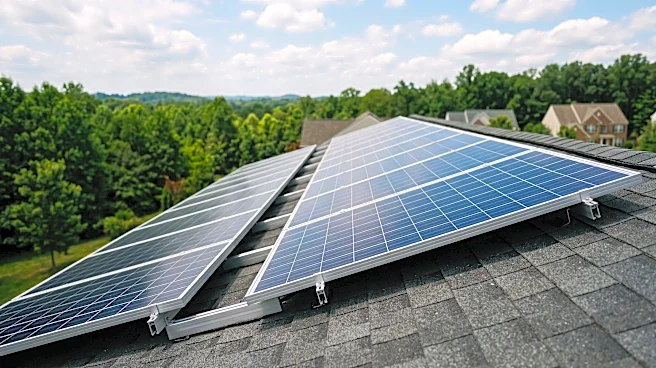
Virginia has initiated a new three-year incentive program aimed at assisting low-income, elderly, and disabled individuals with the installation of solar energy equipment. This program, which is separate from existing energy efficiency initiatives, allows
utilities to provide incentives directly to eligible customers or to organizations that serve these populations. The incentives are designed to reduce total energy costs for participants by facilitating the installation of solar equipment on their premises or providing access to equipment located elsewhere. The program is capped at $25 million in aggregate and is distinct from the $140 million and $870 million energy efficiency programs mandated for Phase I and Phase II utilities, respectively, under Virginia law. This ensures that the solar incentives are an additional benefit, not a reallocation of existing energy efficiency funds for vulnerable populations.
Why It's Important?
This incentive program is important because it directly addresses energy affordability and access to renewable energy for some of Virginia's most vulnerable residents. By targeting low-income, elderly, and disabled individuals, the state is working to alleviate the burden of high energy costs, which can disproportionately affect these groups. The initiative also promotes the adoption of solar energy, contributing to broader environmental goals and reducing reliance on traditional energy sources. This move could serve as a model for other states looking to expand renewable energy access while ensuring equitable distribution of benefits. Furthermore, it stimulates the solar industry within Virginia by creating demand for installations and related services, potentially leading to job creation and economic growth in the clean energy sector.
What's Next?
Phase I and Phase II utilities in Virginia are required to submit petitions for approval to design, implement, and operate their respective three-year incentive programs. These programs will then begin to offer direct incentives to eligible individuals or supporting organizations. The implementation will involve outreach to the targeted communities and the establishment of clear application processes. Utilities will also need to consider low-income, elderly, and disabled persons residing in housing owned or controlled by redevelopment and housing authorities when developing these programs. The success of this initial three-year period will likely influence future policy decisions regarding solar incentives and energy assistance for vulnerable populations in Virginia.
Beyond the Headlines
The establishment of this targeted solar incentive program highlights a growing recognition of energy equity as a critical component of renewable energy transitions. Beyond the immediate financial relief for eligible individuals, this program could foster greater community engagement with solar technology and increase public awareness of its benefits. It also underscores the role of state-level policy in driving clean energy adoption, particularly in areas where federal incentives may not fully address specific demographic needs. The program's focus on reducing total energy costs, rather than just installation costs, suggests a holistic approach to energy assistance, aiming for long-term financial stability for participants. This could lead to improved quality of life and reduced energy poverty for thousands of Virginians.