




What's Happening?
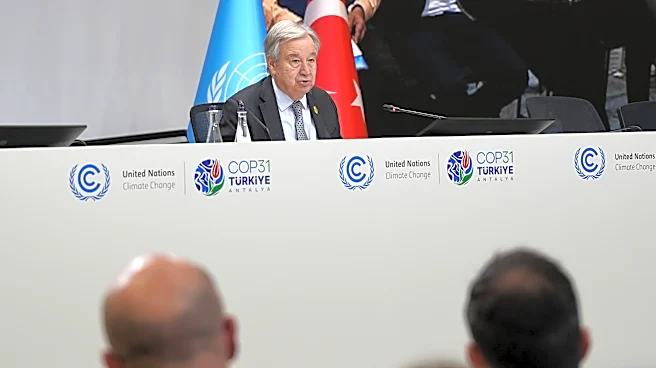
The ongoing Climate Summit in Antalya has seen a significant push towards ending fossil fuels, with leaders from several countries advocating for a shift away from coal, oil, and gas. The UN Secretary General, António Guterres, has also called for the
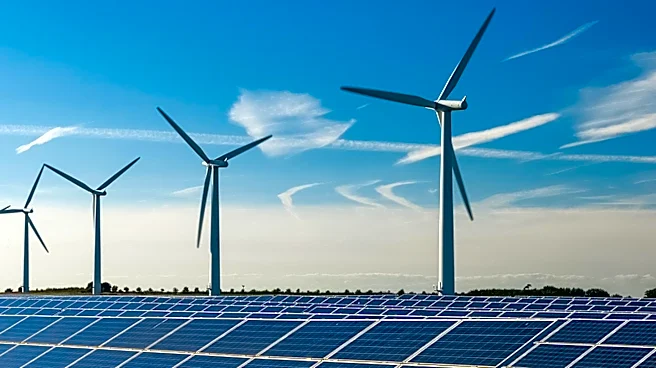
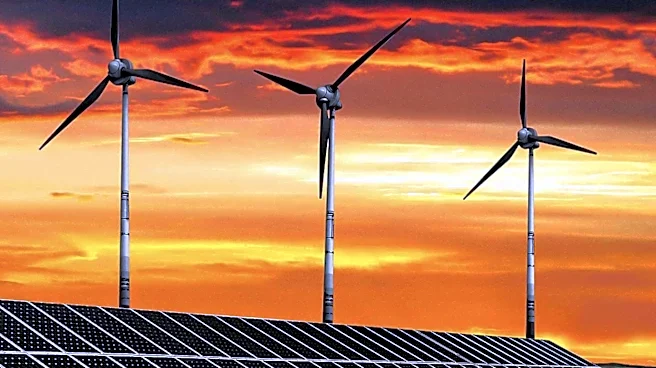
cessation of fossil fuel use. Brazil is championing this process, with the initiative expected to be furthered by a troika of COP30, COP31, and COP32 Presidencies. Many countries have already submitted roadmaps detailing their transition plans, which could serve as blueprints for Ministries of Finance to plan a just, orderly, equitable, and ambitious transition. A key focus is on electrification powered by renewables, with no room for gas, nuclear, or other 'low carbon' fuels. Despite these discussions, the current COP hosts have yet to offer a clear path forward on these solutions, prompting calls for them to step up and lead on phasing out fossil fuels.
Why It's Important?
The global push to phase out fossil fuels directly impacts the U.S. energy sector, economy, and climate policy. As international consensus grows, the U.S. will face increasing pressure to align its energy strategies with global decarbonization goals. This could accelerate the transition towards renewable energy sources, influencing investment in solar, wind, and other clean technologies, while potentially diminishing the role of traditional fossil fuel industries. The emphasis on electrification from renewables could drive innovation and job creation in the green energy sector, but also poses challenges for regions heavily reliant on fossil fuel production. The debate over 'low carbon' fuels versus pure renewables highlights a critical policy divergence that could shape future energy infrastructure and international trade agreements, affecting U.S. competitiveness and environmental commitments.
What's Next?
The coming weeks and subsequent COP meetings (COP31, COP32) will be crucial in determining the concrete steps and timelines for phasing out fossil fuels. The submitted roadmaps are expected to evolve into actionable plans, potentially influencing national energy policies and international climate finance. There will be continued pressure on COP hosts, particularly Türkiye and Australia, to demonstrate leadership and commit to phasing out fossil fuels both domestically and globally. The focus on tripling electricity targets with increased finance and investments suggests that significant financial commitments and technological advancements will be required. The effectiveness of these initiatives will depend on the political will of participating nations and their ability to implement ambitious transition plans, which could lead to new international collaborations and agreements on energy policy and climate action.
Beyond the Headlines
The discussions at the Climate Summit extend beyond immediate policy changes, touching upon deeper ethical and economic transformations. The call for a 'just, orderly, equitable and ambitious transition' from fossil fuels implies a global effort to address energy poverty while ensuring dignified living standards, particularly in developing nations. This involves not just technological shifts but also significant social and economic restructuring to support communities currently dependent on fossil fuel industries. The rejection of 'backdoor entry' for gas and nuclear in electrification plans signals a strong ideological stance towards pure renewable energy, potentially shaping future global energy standards and investment flows. This shift could redefine international development aid, trade relationships, and the geopolitical landscape as countries vie for leadership in the new energy economy, with profound implications for global equity and sustainable development.