









What's Happening?
Home sellers in Missouri, particularly in areas like Parkville within Platte County, are encountering significant challenges related to radon disclosure during real estate transactions, even though Missouri state law does not mandate a general seller disclosure form
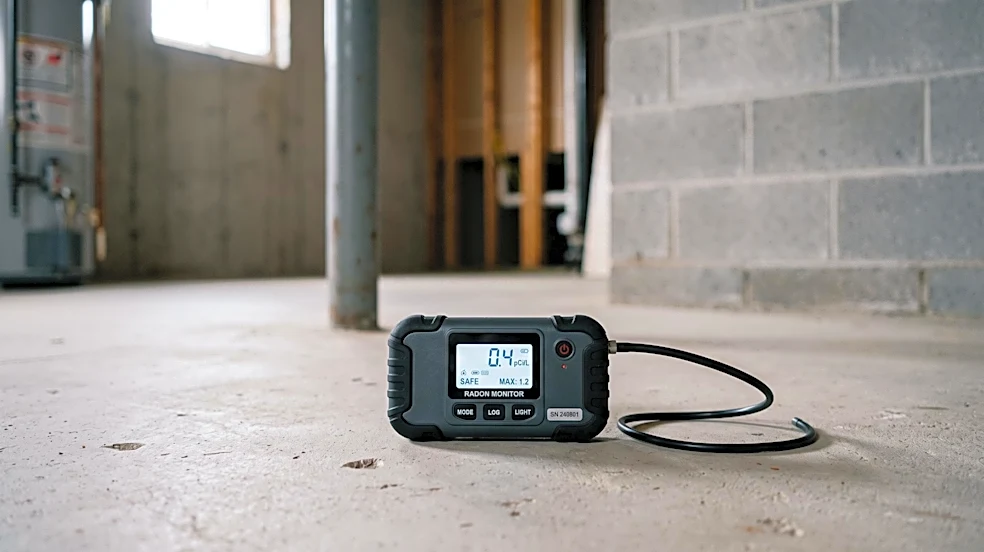
for every sale. The Environmental Protection Agency (EPA) designates Platte County as a Zone 1 area, indicating predicted average indoor radon levels above 4 pCi/L, which is the threshold at which mitigation is recommended. While state law only requires disclosure for properties used in methamphetamine manufacturing and federal law for lead paint in homes built before 1978, the Missouri Merchandising Practices Act prohibits concealing or misrepresenting material facts. This creates a situation where buyers, often with lenders or experienced agents, will almost certainly order a radon test, making it crucial for sellers to address potential radon issues proactively. The state's health department has found that approximately one in three homes tested statewide have radon levels at or above the 4.0 pCi/L action level.
Why It's Important?
This situation significantly impacts U.S. real estate transactions in Missouri, particularly for sellers in high-risk radon zones. The absence of a mandatory state disclosure form shifts the burden and risk onto sellers, who may face unexpected costs and delays if radon issues are discovered late in the sales process. For buyers, it underscores the importance of independent inspections, especially for radon, to protect their investment and health. The cost of radon mitigation, typically under $2,500 for a 2,000-square-foot home, can become a point of contention and renegotiation if not addressed before listing. This dynamic affects market transparency and can lead to increased transaction complexities, potentially impacting property values and buyer confidence in affected regions. It also highlights a gap between state legal requirements and practical market demands, influencing how real estate professionals advise their clients.
What's Next?
Sellers in Missouri, especially in EPA Zone 1 counties like Platte County, are increasingly advised to conduct radon testing before listing their homes. Proactive testing allows sellers to understand their property's radon levels and undertake any necessary mitigation on their own schedule, rather than under pressure during a buyer's option period. A clean radon result can serve as a selling point, while addressing a high reading beforehand can prevent last-minute negotiations and potential deal collapses. Real estate agents and home inspectors will likely continue to emphasize radon testing as a standard part of the due diligence process for buyers. The Missouri Department of Health and Senior Services offers free short-term test kits, and professional tests are available, which carry more weight with lenders. This trend suggests a continued shift towards greater seller responsibility in disclosing environmental hazards, even without explicit state mandates.
Beyond the Headlines
The situation in Missouri regarding radon disclosure points to a broader issue of consumer protection and environmental health in real estate. While legal frameworks may lag, market forces and public awareness are driving changes in seller behavior. The emphasis on proactive testing reflects a growing understanding of indoor air quality and its impact on health, particularly in regions with naturally occurring radon. This could set a precedent for other environmental concerns to become de facto disclosure requirements, regardless of specific state laws. It also highlights the ethical considerations for sellers and real estate professionals to provide comprehensive information to buyers, fostering trust and transparency in property transactions. The long-term implication could be a more informed and health-conscious real estate market, where environmental factors play a more prominent role in property valuation and sales processes.