



What's Happening?
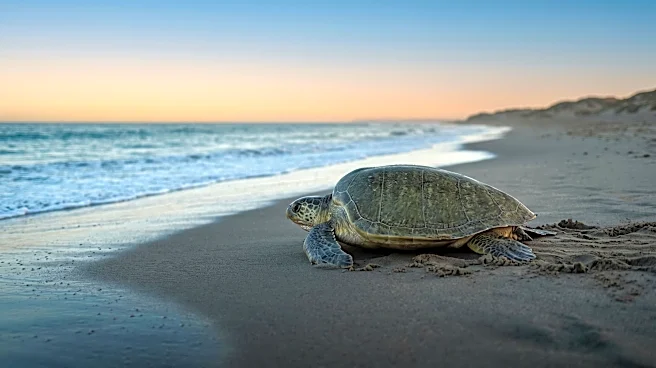
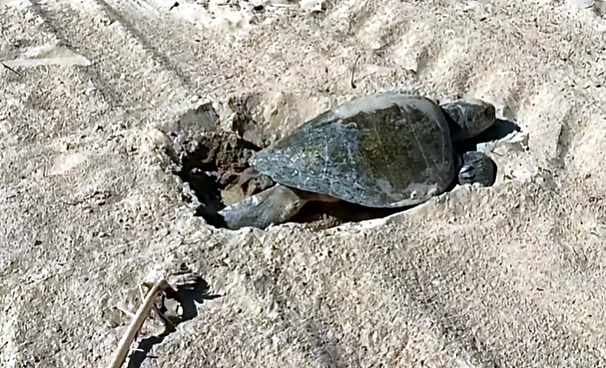
Olive ridley sea turtles have laid eggs on two Orange County beaches in mid-September, marking the first recorded natural sea turtle nesting anywhere on the U.S. West Coast. NOAA Fisheries confirmed this historic discovery after lifeguards found nests
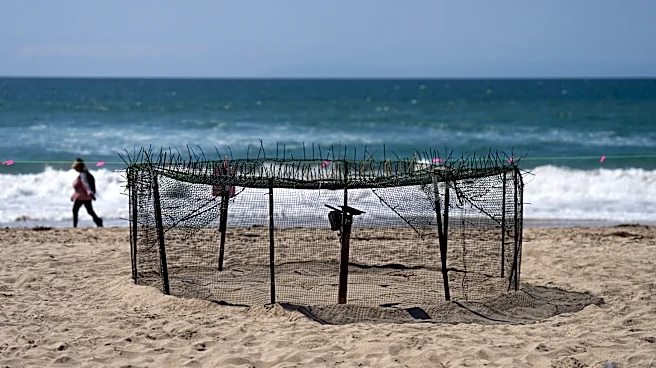
near Surfside, bordering Seal Beach, and south of the Huntington Beach Pier. The first nest was discovered on September 16 by Huntington Beach Marine Safety lifeguards responding to a report of a possibly injured turtle, which was found laying eggs. A second nest appeared three days later, on September 19, near the Huntington Beach Pier. It is currently unclear if one or two turtles are responsible for these nests. Each nest is estimated to contain 50 to 100 eggs, with a potential hatching window between late October and mid-November. Both nesting sites have been secured with protective barriers and interpretive signage. Justin Viezbicke of NOAA Fisheries noted the unusual behavior of the turtle, as olive ridleys typically nest at night, but this one came ashore during the day and around sunset. He also suggested that additional undiscovered nests might exist.
Why It's Important?
This unprecedented nesting event in Orange County is significant as olive ridley sea turtles' major Pacific nesting grounds are typically in Mexico, Nicaragua, Costa Rica, and Panama. While these turtles occasionally venture into Southern California waters due to warm currents, nesting in the United States has never been documented before. This occurrence aligns with a broader trend of tropical marine species, such as hammerhead sharks, whale sharks, and sea snakes, appearing in Southern California as ocean temperatures consistently remain in the mid-70s. The presence of these species indicates potential shifts in marine ecosystems influenced by changing climate patterns. Olive ridley sea turtles are protected under the Endangered Species Act, making their successful nesting crucial for conservation efforts. The event highlights the need for increased public awareness and adherence to regulations to protect these vulnerable animals and their habitats, as disturbing them or their nests carries federal penalties.
What's Next?
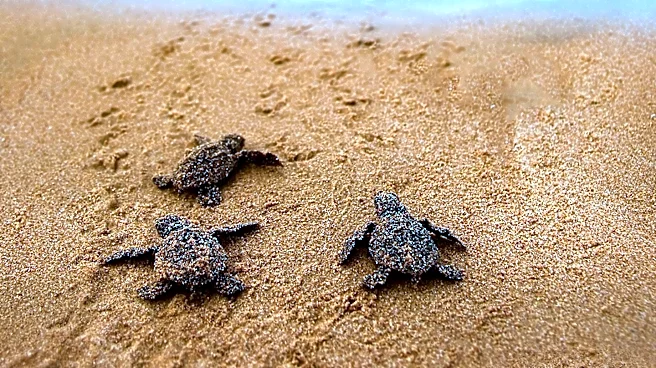
The eggs laid on the Orange County beaches are expected to hatch between late October and mid-November, approximately 45 to 60 days after being laid. Both nesting sites will remain protected by fences and signage to ensure the safety of the eggs and hatchlings. NOAA Fisheries has urged beachgoers to maintain a wide clearance from these sites to avoid disturbance. Additionally, NOAA asks anyone who spots a stranded sea turtle along the coast to contact the NOAA Fisheries West Coast Stranding Hotline. Researchers and conservationists will likely monitor these sites closely to observe the hatching process and the subsequent journey of the hatchlings to the ocean. This event may also prompt further studies into the long-term implications of warming ocean temperatures on marine species distribution and nesting patterns along the U.S. West Coast.
Beyond the Headlines
The historic nesting of olive ridley sea turtles in Orange County underscores the profound and visible impacts of climate change on marine biodiversity. The increasing frequency of tropical marine species in Southern California waters, including this nesting event, serves as a tangible indicator of shifting oceanographic conditions. This phenomenon challenges established geographical boundaries for species and raises questions about the adaptability of marine life to rapid environmental changes. Ethically, it highlights humanity's role in mitigating climate change and protecting endangered species, especially as these animals venture into new, potentially less hospitable, territories. Legally, the protection afforded by the Endangered Species Act becomes even more critical in these novel situations, requiring vigilant enforcement and public cooperation. Culturally, this event could foster a deeper appreciation for marine conservation and inspire local communities to engage more actively in environmental stewardship, recognizing their coastlines as dynamic ecosystems influenced by global climate patterns.