







What's Happening?
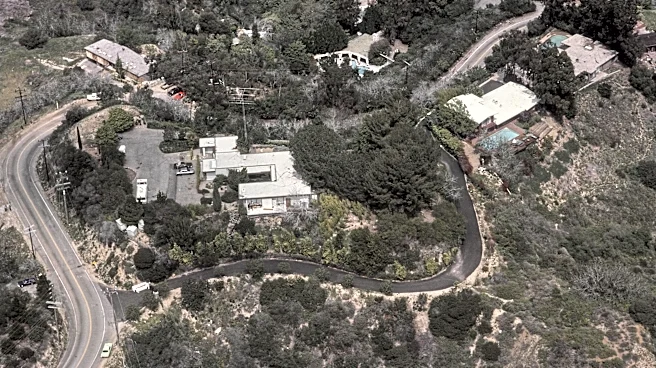
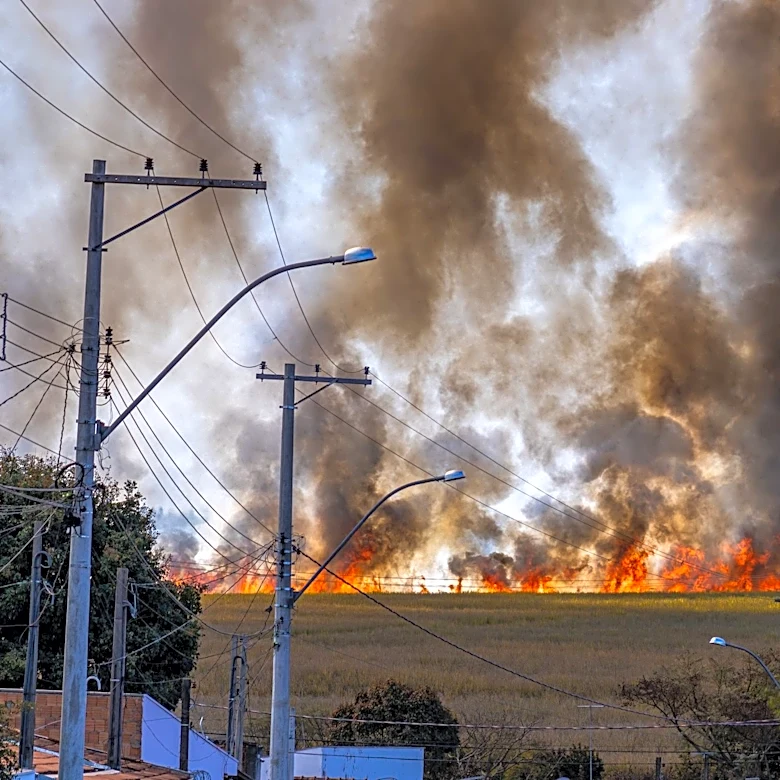
Residents of Altadena, California, are uniting to support Senate Bill 1090, which aims to pause multi-unit building projects in their neighborhood. This movement comes in response to the devastating January 2025 firestorms that destroyed much of the community.
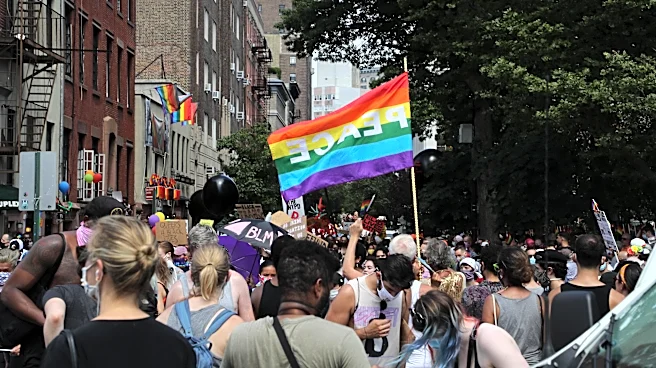
The bill, co-authored by state Assemblymember John Harabedian and state Sen. Sasha Renée Pérez, seeks to create an exception to existing laws that facilitate the transition of single-family lots into multi-family housing. The legislation is intended to protect the community from developers who are purchasing land from fire survivors to build high-density housing. The Altadena Town Council has held several meetings, drawing hundreds of residents who are concerned about preserving their neighborhood's identity. The bill is set to be voted on by two committees, with local leaders and residents advocating for its passage.
Why It's Important?
The push for Senate Bill 1090 highlights the tension between development and community preservation in areas affected by natural disasters. For Altadena, the legislation represents a critical effort to maintain the character and identity of a community still recovering from fire damage. The bill's passage could set a precedent for other communities facing similar challenges, balancing the need for housing with the preservation of local culture and history. If successful, it could empower other neighborhoods to advocate for tailored development policies that consider the unique needs of disaster-affected areas. The outcome of this legislative effort could influence housing policy and community planning across California, particularly in regions vulnerable to wildfires.
What's Next?
The bill will face its first legislative hurdle with votes scheduled in two committees. If it passes, it will proceed to the Assembly floor when legislators return from recess in August. Local leaders, including L.A. County Supervisor Kathryn Barger, will join Altadena residents in Sacramento to advocate for the bill. The community's efforts to influence lawmakers through grassroots organizing and public rallies will continue, as residents aim to extend the development carve-out beyond 2029. The outcome of these efforts will be closely watched by other communities seeking to protect their neighborhoods from rapid, high-density development.