




What's Happening?
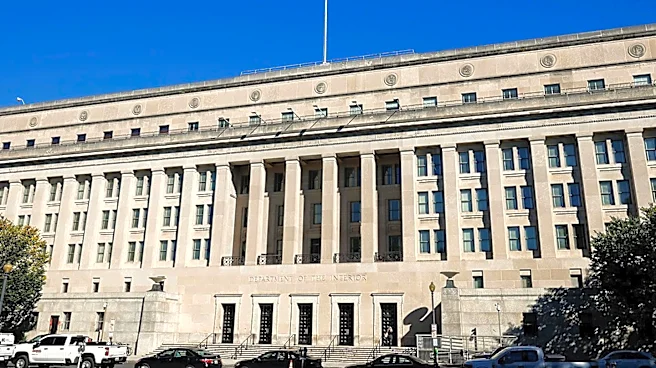
The Department of the Interior, in collaboration with partner agencies of the Federal Interagency Council on Outdoor Recreation (FICOR), has announced a series of veteran-led outdoor recreation events on public lands and waters. These events are scheduled
for the week surrounding Veterans Day. Concurrently, the Interior Department and its partners have launched a new repository on Rec.gov. This online platform serves as a centralized location where veterans, service members, and military families can access information regarding various outdoor recreation opportunities offered by participating federal agencies. Secretary of the Interior Doug Burgum emphasized the nation's gratitude to veterans and highlighted the importance of providing them access to the country's natural beauty. FICOR Chair and Bureau of Land Management Director Stevan Pearce noted that this new resource consolidates information previously scattered across numerous agency websites, making it more accessible for military families. Events include walking tours of war memorials in Washington, D.C., wildlife walks in Colorado, canyon hikes in Utah, and fish hatchery tours in California, among others. Accessibility was a primary consideration in selecting event locations, ensuring options like accessible boardwalks, paved routes, and indoor alternatives.
Why It's Important?
This initiative is significant as it directly addresses the well-being and recreational needs of U.S. veterans, service members, and their families. By centralizing information on Rec.gov and organizing accessible events, the Department of the Interior is making it easier for these groups to engage with public lands, which can have positive impacts on physical and mental health. The focus on veteran-led events also provides opportunities for veterans to continue serving and connecting with their communities. This effort underscores a broader governmental commitment to supporting military personnel beyond their active service. The improved accessibility features at event sites ensure that a wider range of veterans, including those with disabilities, can participate, promoting inclusivity. Furthermore, by streamlining access to information, the initiative reduces barriers that might otherwise prevent veterans from utilizing the outdoor recreational resources available to them, thereby enhancing their quality of life and fostering a sense of community and belonging.
What's Next?
The immediate next steps involve the execution of the planned veteran-led outdoor recreation events during the week surrounding Veterans Day. The Department of the Interior and its FICOR partners will likely monitor participation rates and feedback from attendees to assess the program's effectiveness. The Rec.gov repository will continue to serve as a central hub for information, and it is probable that additional opportunities and events will be added over time. Future efforts may include expanding the types of activities offered, increasing the number of participating locations, and further enhancing the accessibility features of public lands. Continued collaboration between federal agencies will be crucial to sustain and grow this initiative, potentially leading to more comprehensive programs aimed at supporting veterans through outdoor engagement. The success of these initial events could also inspire similar programs or partnerships at state and local levels, further broadening the impact.
Beyond the Headlines
Beyond the immediate benefits of recreation, this initiative touches upon deeper societal implications regarding veteran reintegration and appreciation. Providing structured, accessible outdoor activities can serve as a therapeutic outlet for veterans dealing with post-service challenges, fostering camaraderie and a sense of purpose. The emphasis on veteran leadership in these events also empowers former service members, leveraging their skills and experiences in a new capacity. This program highlights a growing recognition within government of the holistic needs of veterans, moving beyond traditional support systems to include wellness and community engagement through natural spaces. It also subtly reinforces the idea that public lands are a shared national heritage, accessible to all citizens, especially those who have served to protect those freedoms. The long-term impact could be a more integrated approach to veteran support that prioritizes outdoor engagement as a key component of post-service well-being and community connection.