





What's Happening?
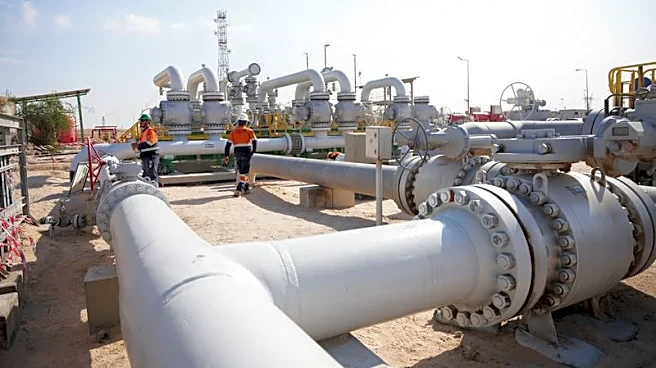
The European Union is addressing potential fuel supply challenges as the Middle East conflict continues. The European Commission, along with EU countries and the Energy Community secretariat, has been discussing strategies to ensure oil security and coordinate
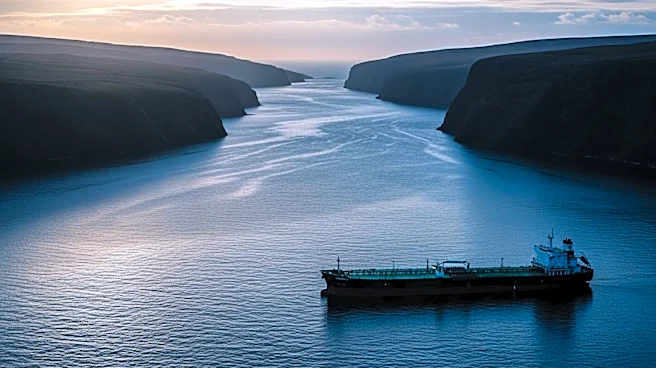
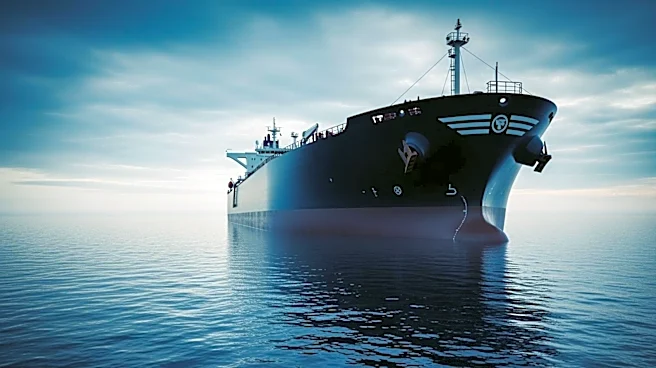
responses if the conflict persists beyond May 2026. While there are currently no fuel shortages, the EU is preparing for possible regional supply constraints, particularly if the Strait of Hormuz remains blocked. The EU's Oil Coordination Group is actively working to manage jet fuel supplies and maintain communication with international partners.
Why It's Important?
The EU's proactive measures are crucial in maintaining energy stability and preventing potential economic disruptions. The Middle East conflict poses a significant risk to global oil supplies, and the EU's coordinated approach aims to mitigate these risks. The situation underscores the importance of energy security and the need for diversified energy sources. The EU's actions also highlight the interconnectedness of global markets and the potential ripple effects of regional conflicts on international economies.
What's Next?
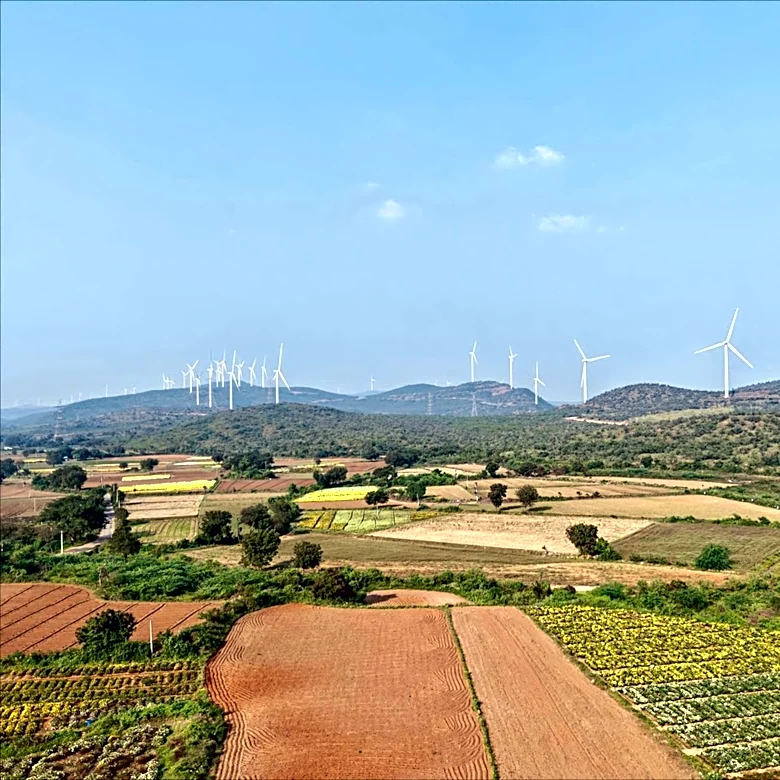
The EU will continue to monitor the situation closely and adjust its strategies as needed. The European Commission plans to maintain regular communication with EU countries, the International Energy Agency, and market participants to ensure a coordinated response. The development of alternative energy sources and technologies, such as electrification and renewable fuels, will likely be prioritized to enhance energy resilience. The EU's approach may serve as a model for other regions facing similar challenges.