






What's Happening?
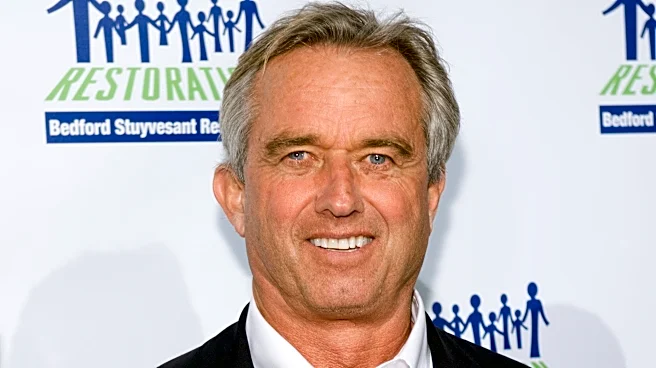
U.S. Health and Human Services Secretary Robert F. Kennedy, Jr. is scheduled to travel to Bismarck, North Dakota, today. During his visit, Secretary Kennedy will participate in both a press conference and a roundtable discussion. The announcement was
made by U.S. Senator Kevin Cramer. According to Senator Cramer's office, a key focus of Secretary Kennedy's visit will be to meet with various North Dakota tribes. The discussions with these tribal communities are expected to center on the topic of regenerative agriculture. This visit highlights an engagement between a high-ranking federal official and local tribal groups on matters of agricultural practices and community well-being. The specific details of the press conference and roundtable agenda, beyond the general topic, were not immediately provided, but the emphasis on regenerative agriculture suggests a focus on sustainable practices and their potential benefits for tribal lands and communities.
Why It's Important?
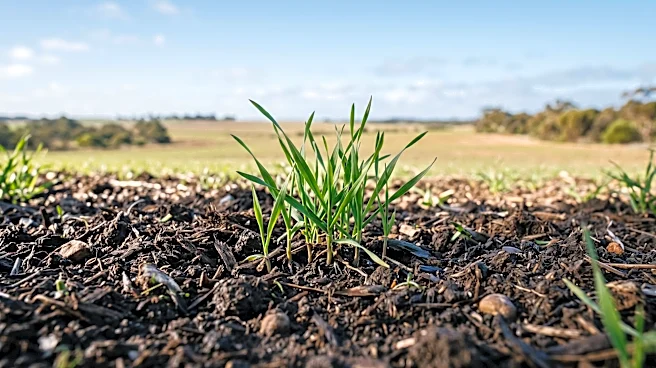
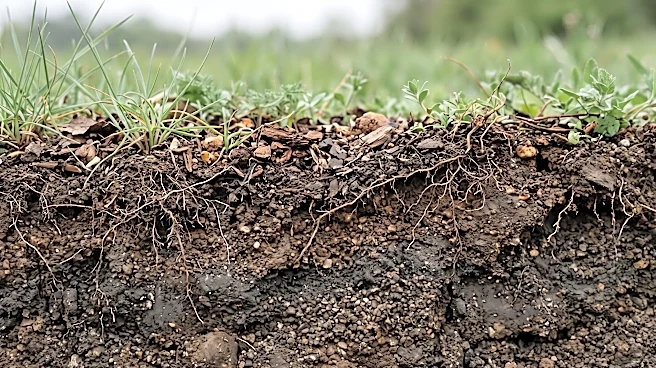
This visit is significant as it brings a cabinet-level official to North Dakota to engage directly with tribal communities on an issue of growing importance: regenerative agriculture. Regenerative agriculture practices aim to improve soil health, biodiversity, and water management, which can have long-term environmental and economic benefits. For North Dakota tribes, discussions with the Secretary of Health and Human Services on this topic could lead to federal support, resources, or policy initiatives that promote sustainable farming methods on tribal lands. Such initiatives could enhance food security, economic independence, and environmental stewardship within these communities. Furthermore, the involvement of a federal health official suggests a recognition of the link between agricultural practices, environmental health, and public health outcomes, potentially paving the way for integrated approaches to community well-being. The engagement also underscores the federal government's interest in collaborating with tribal nations on critical issues.
What's Next?
Following Secretary Kennedy's visit, potential next steps could include the development of specific programs or pilot projects aimed at implementing regenerative agriculture practices within North Dakota's tribal communities. The discussions held during the roundtable may inform future policy decisions or funding allocations from the Department of Health and Human Services, possibly in conjunction with other federal agencies like the Department of Agriculture. Local tribal leaders and agricultural organizations may also use this engagement as a platform to advocate for their specific needs and proposals. The visit could also foster continued dialogue between federal agencies and tribal nations on broader issues of health, environment, and economic development, potentially leading to long-term partnerships and initiatives designed to support sustainable practices and improve the overall well-being of these communities.
Beyond the Headlines
Beyond the immediate discussions, Secretary Kennedy's focus on regenerative agriculture with North Dakota tribes touches upon deeper themes of environmental justice, indigenous sovereignty, and sustainable development. Regenerative agriculture often incorporates traditional ecological knowledge, which has been practiced by indigenous communities for centuries. This engagement could signify a broader federal recognition of the value of such traditional practices in addressing contemporary environmental and agricultural challenges. It also highlights the intersection of health and environmental policy, acknowledging that the health of the land directly impacts the health of its inhabitants. This approach could lead to more holistic policy frameworks that integrate ecological, economic, and social well-being, potentially setting a precedent for how federal agencies engage with tribal nations on issues of land management and community health across the U.S.