
What's Happening?
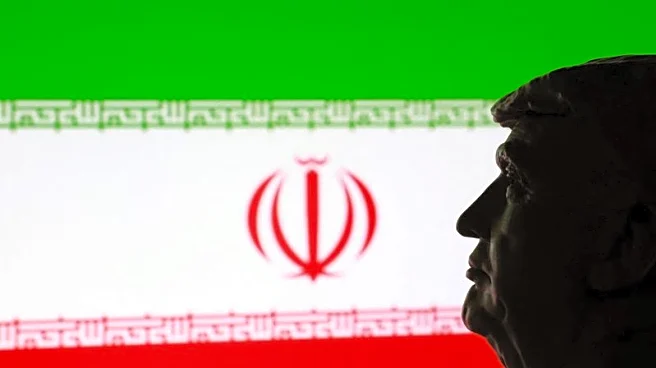
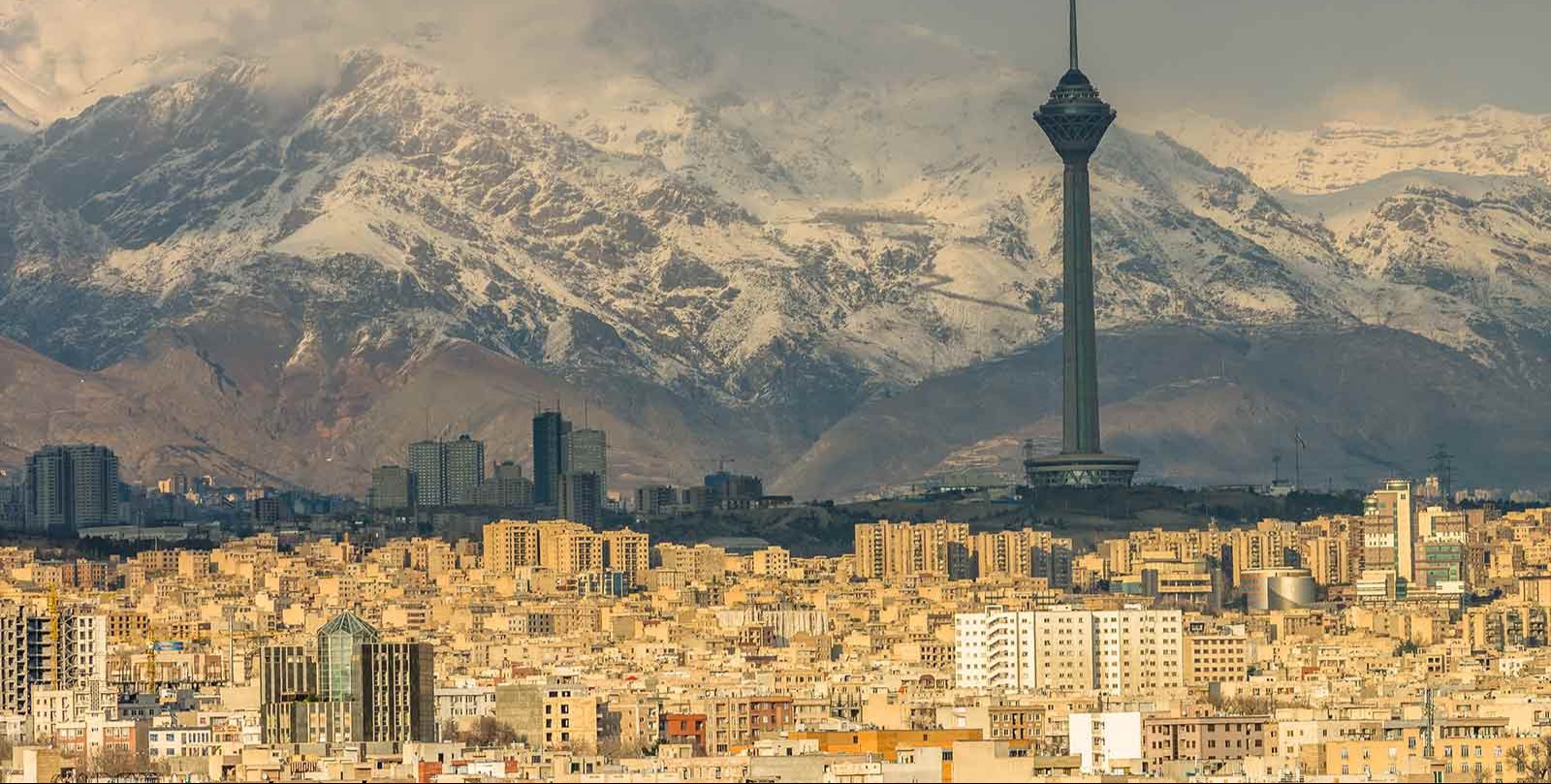
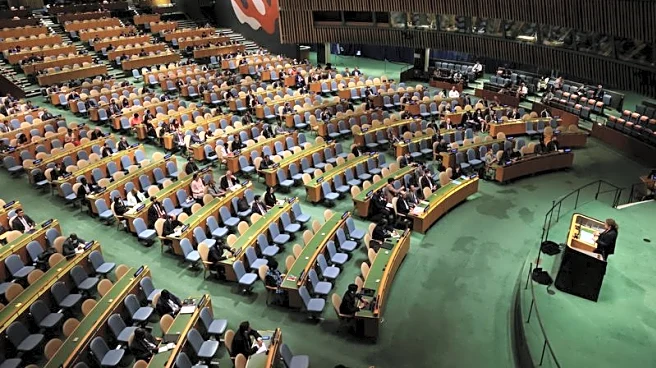
The United States, represented by Ambassador Mike Waltz, has expressed strong support for the Iranian people at a United Nations Security Council meeting. The meeting, requested by the U.S., focused on the ongoing protests in Iran, where thousands have
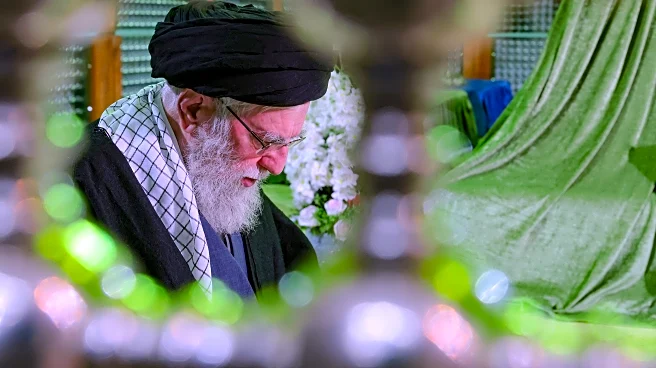
reportedly been killed in a crackdown against demonstrators opposing clerical rule. President Trump has indicated that all options remain on the table to address the situation, although he has adopted a cautious approach, noting that reports suggest a decrease in violence. Waltz dismissed Iranian claims that the protests are a foreign plot, emphasizing the regime's fear of its own people. Iran's Deputy UN Ambassador, Gholamhossein Darzi, countered by accusing the U.S. of misinformation and warned of a decisive response to any aggression.
Why It's Important?
The U.S. stance at the UN highlights the international dimension of the Iranian protests and the potential for increased geopolitical tensions. The U.S. support for Iranian protesters could influence regional stability and U.S.-Iran relations. The situation underscores the delicate balance of international diplomacy, with the U.S. facing criticism from Russia and Iran for perceived interference. The outcome of these protests and the international response could significantly impact U.S. foreign policy and its approach to Middle Eastern affairs, potentially affecting global oil markets and regional alliances.
What's Next?
The international community is closely monitoring the situation in Iran. The U.S. may consider further diplomatic or economic measures depending on developments. Iran's response to international pressure and internal dissent will be critical in shaping future interactions. The UN's call for restraint suggests ongoing diplomatic efforts to prevent escalation. Stakeholders, including regional powers and global actors, will likely continue to engage in dialogue to address the crisis and its broader implications.