



What's Happening?
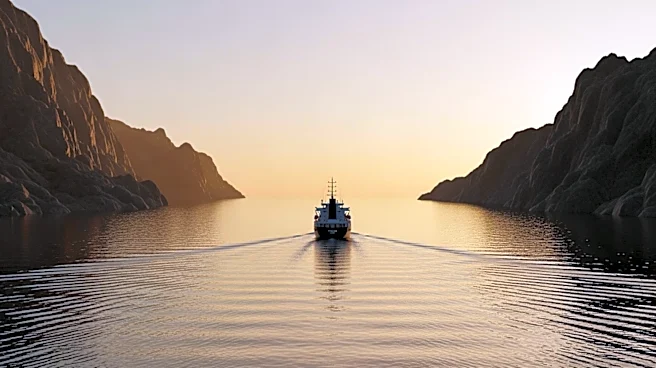
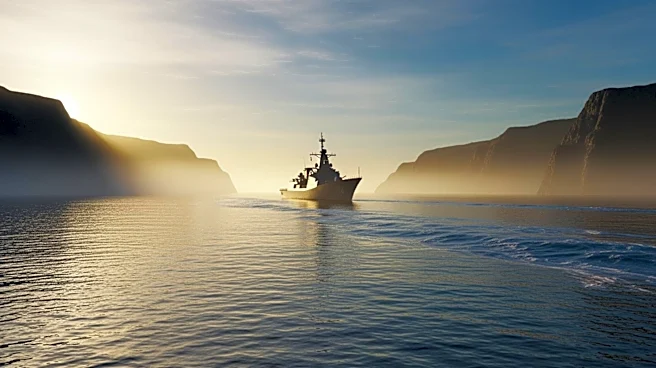
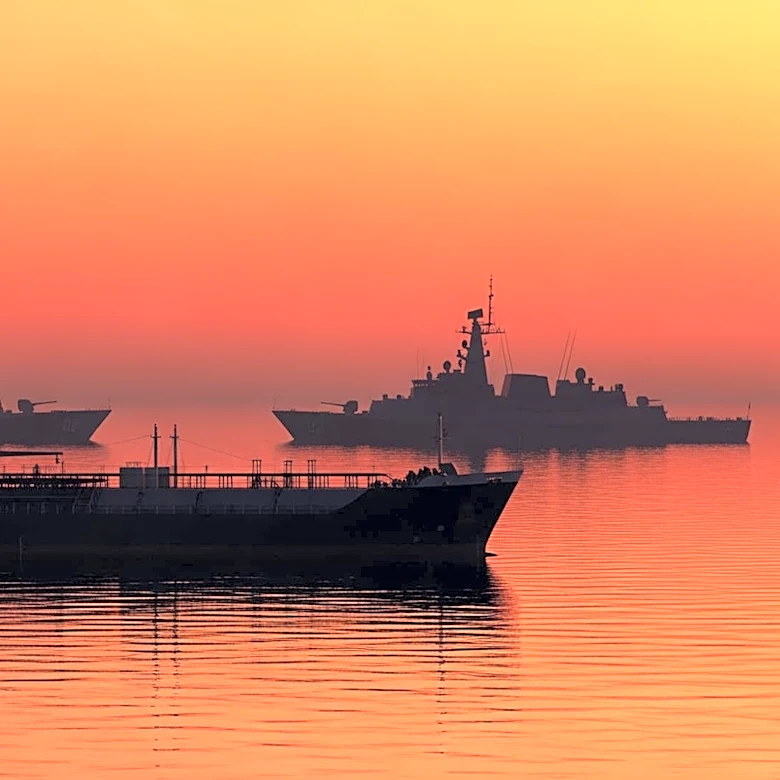
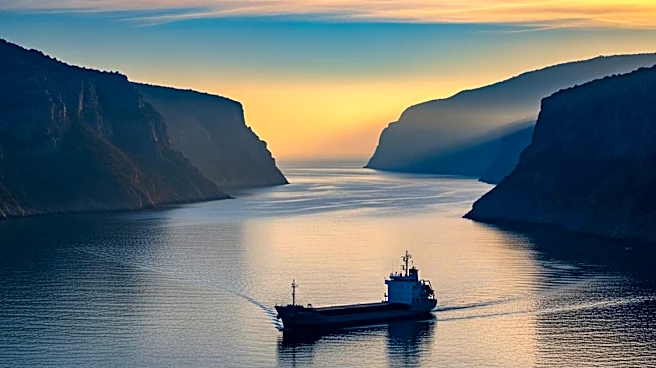
The Islamic Revolutionary Guards Corps (IRGC) has outlined specific conditions for vessels transiting the Strait of Hormuz, effectively retaining control over maritime traffic. These conditions include restrictions on vessels related to belligerent countries,
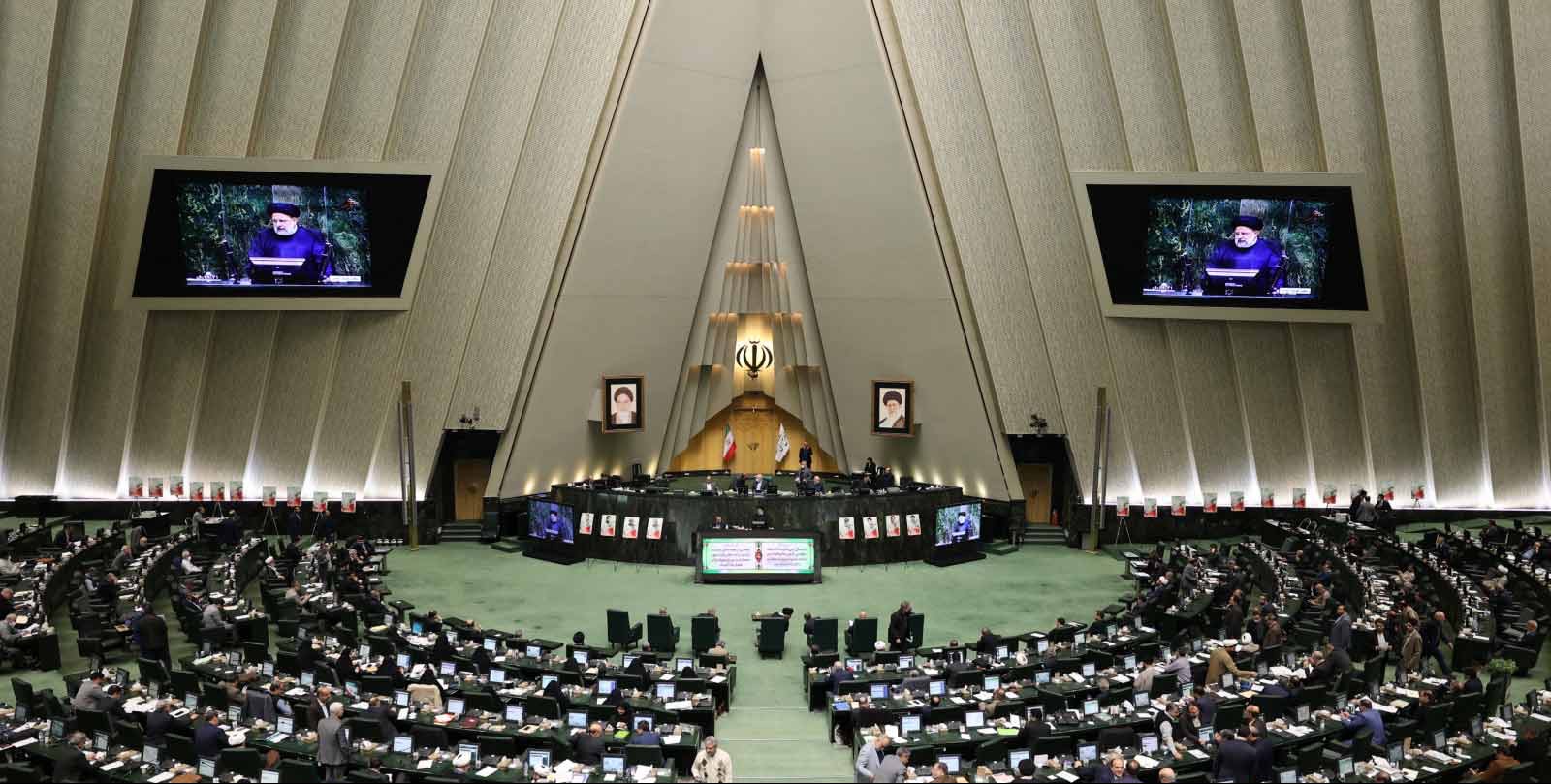
mandatory passage through Iranian territorial waters, and coordination with Iranian forces. This move comes amid ongoing tensions between Iran and the United States, with the IRGC using the strait as leverage to extract concessions. The IRGC's actions reflect broader divisions within the Iranian regime, particularly following criticism of Iranian Foreign Affairs Minister Abbas Araghchi by IRGC-affiliated media. The IRGC's stance contrasts with Araghchi's announcement that the strait is open, highlighting internal disagreements within the regime.
Why It's Important?
The IRGC's control over the Strait of Hormuz is significant due to the strait's strategic importance for global oil shipments. By imposing conditions, Iran can exert pressure on international shipping and potentially disrupt global oil markets. This development underscores the ongoing geopolitical tensions between Iran and the United States, with implications for international trade and energy security. The IRGC's actions may also affect negotiations between the two countries, as Iran seeks to leverage its control over the strait in diplomatic discussions. The internal divisions within the Iranian regime could further complicate these negotiations, impacting regional stability and international relations.
What's Next?
The IRGC's conditions for transit through the Strait of Hormuz may lead to increased diplomatic efforts by the United States and other countries to ensure the free flow of maritime traffic. The ongoing negotiations between Iran and the United States could be influenced by Iran's control over the strait, with potential impacts on the broader geopolitical landscape. The IRGC's criticism of Araghchi and the internal divisions within the Iranian regime may continue to shape Iran's foreign policy decisions. The situation remains fluid, with potential for further developments as both sides navigate the complex dynamics of regional security and international diplomacy.
Beyond the Headlines
The IRGC's actions in the Strait of Hormuz highlight the broader power struggles within the Iranian regime, particularly following the death of former Supreme Leader Ali Khamenei. The absence of a strong leader to unify the regime's factions may lead to increased influence of the IRGC in shaping Iran's foreign policy. This internal dynamic could have long-term implications for Iran's approach to international relations and its interactions with global powers. The situation also raises ethical and legal questions about the use of strategic chokepoints as leverage in geopolitical conflicts, with potential consequences for international maritime law and trade norms.